
Over the last few years, I’ve seen the same mistake repeated again and again. A business owner opens ten AI tools, watches comparison videos, pays for several subscriptions, and then continues writing content manually and ordering marketing materials from contractors.
The problem is not the technology.
The problem is choosing tools before understanding the task.
In this guide, I’ll break down which AI tool to choose for business in 2026, how the leading platforms differ, and how to decide what actually helps your company grow: content creation, analytics, customer support, design, branding, or advertising.
Table of Contents
Start With the Task, Not the AI Tool

When business owners ask, “What’s the best AI?”, they’re usually asking the wrong question.
A better question is:
“Which business process do I want to improve?”
If you need articles, emails, landing pages, marketing copy, or content ideas, large language models are the right place to start.
If you need banners, product images, social media visuals, or ad creatives, image-generation tools make more sense.
If your goal is market research and competitive analysis, AI-powered search tools often provide more value than a chatbot.
And if your entire company already works inside Google Workspace, Gemini becomes a natural option.
I usually recommend creating a simple task map before choosing any software.
| Business Task | Recommended Tool |
|---|---|
| Content, emails, ideas, copywriting | ChatGPT or Claude |
| Policies, reports, long documents | Claude |
| Gmail, Docs, Sheets workflows | Gemini |
| Research and fact-checking | Perplexity |
| Visual content and ads | Midjourney or design platforms |
| Logo and brand identity | Turbologo |
There is no universal winner. And that’s perfectly normal.
Businesses rarely need “the best AI overall.” They need the tool that removes repetitive work.
Expert Tip
Before paying for any AI subscription, write down five recurring tasks your team performs every week. If a task appears once a month, automation may not matter. If it happens daily, AI can deliver measurable value.
ChatGPT: The Most Versatile Assistant for Entrepreneurs
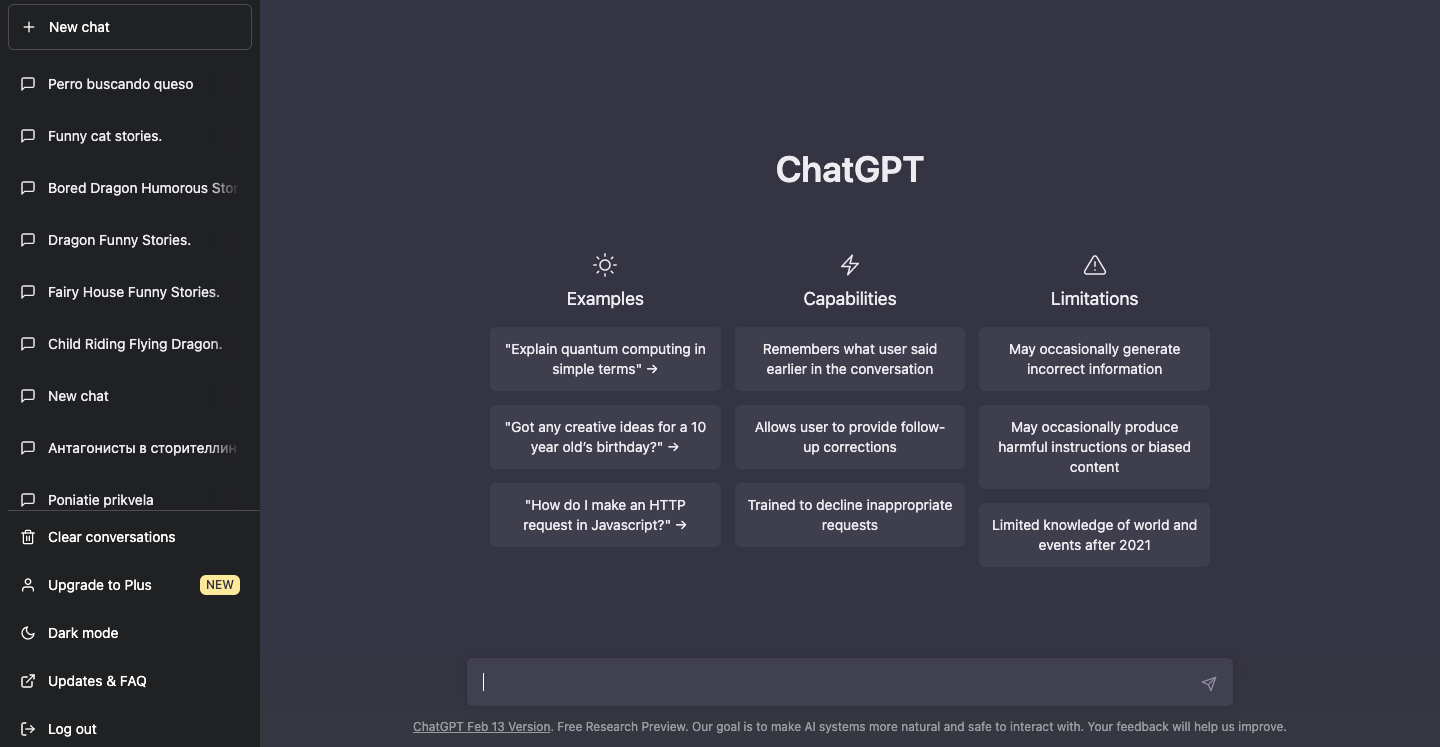
ChatGPT remains the starting point for many businesses entering the AI space.
The reason is simple.
It handles a wide range of tasks reasonably well.
You can use it to create blog outlines, write client emails, generate campaign ideas, build sales scripts, improve website copy, create FAQ sections, and brainstorm content strategies.
For many small businesses, it feels like having an additional assistant who never gets tired of handling first drafts.
OpenAI has also expanded its business offering with ChatGPT Business, allowing teams to collaborate through shared workspaces and company-wide AI workflows.
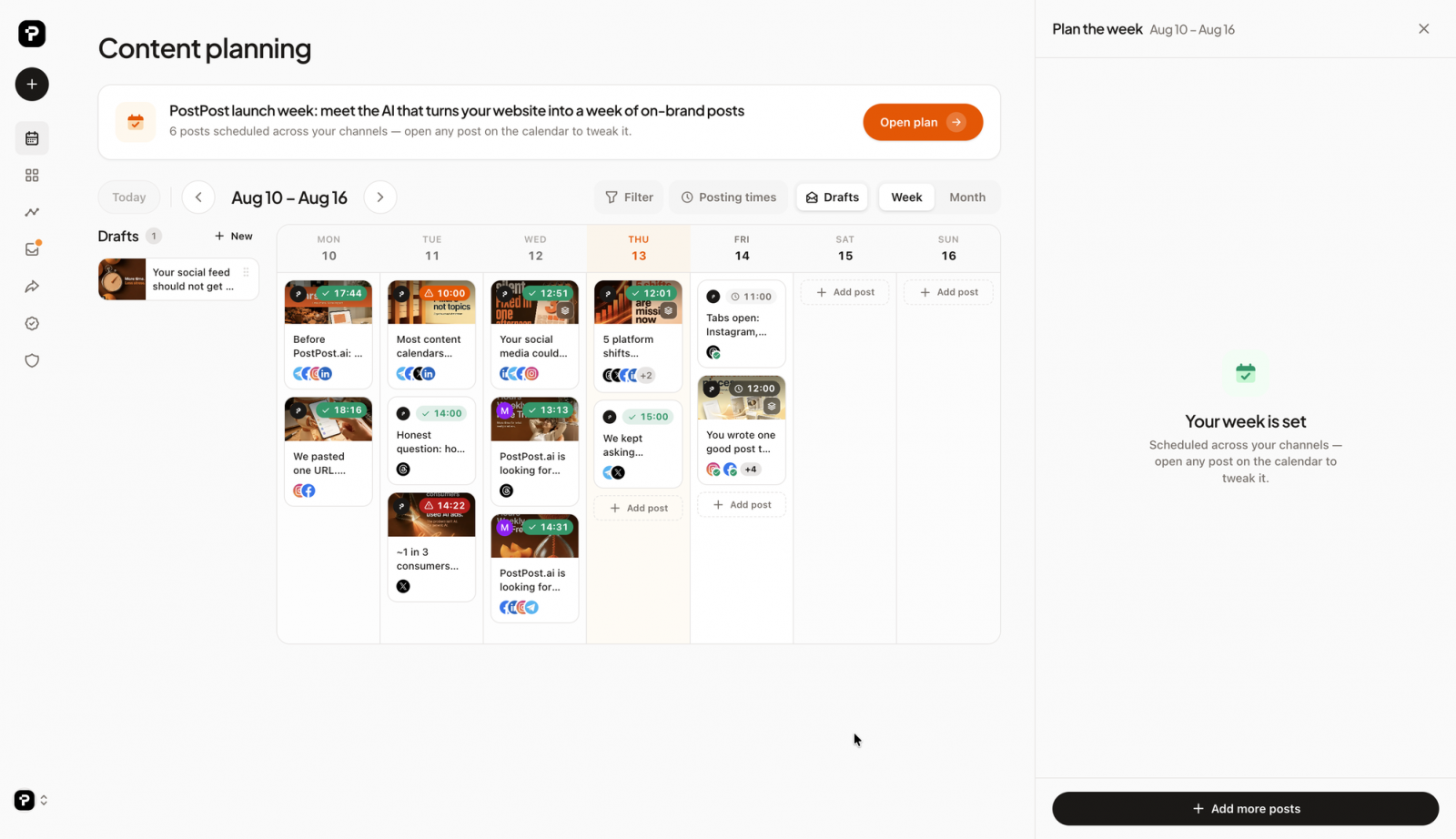
Today, many companies use ChatGPT in small business marketing to accelerate content creation, customer communication, and campaign planning.
Here are some of the most common use cases:
- Building content calendars
- Drafting landing pages
- Rewriting technical text into customer-friendly language
- Generating sales emails
- Creating marketing campaigns
- Producing first drafts of proposals
However, one mistake appears frequently.
Business owners expect ChatGPT to replace expertise.
It doesn’t.
It accelerates expertise.
The final judgment still belongs to the person running the business.
This becomes especially important in industries where accuracy matters: finance, healthcare, legal services, construction, and B2B consulting.
Claude: Ideal for Documents and Deep Analysis
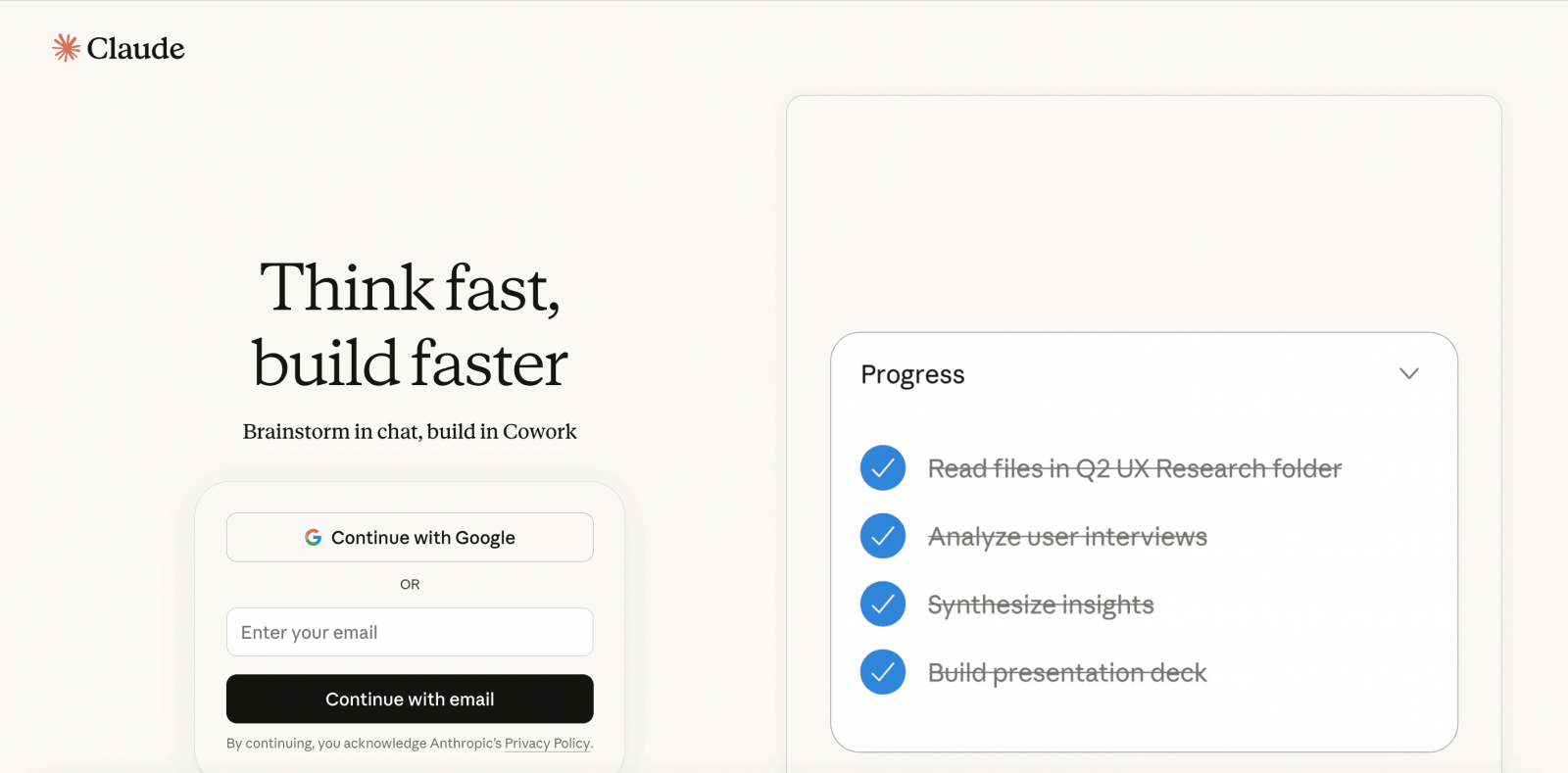
Claude has become one of the strongest alternatives to ChatGPT.
Where Claude often shines is document handling.
Companies that work with contracts, internal procedures, employee training materials, operational manuals, and lengthy reports often prefer Claude’s writing style and structure.
I’ve seen service businesses use Claude to transform years of scattered notes into organized knowledge bases.
A founder might have hundreds of pages of internal expertise sitting in Google Docs, email threads, and spreadsheets.
Claude helps organize that information into usable documentation.
That alone can save dozens of hours every month.
Of course, sensitive information should always be handled carefully.
Before uploading contracts, customer records, or proprietary business information, review your company’s privacy and security requirements.
Gemini: The Best Choice for Google-Centered Businesses
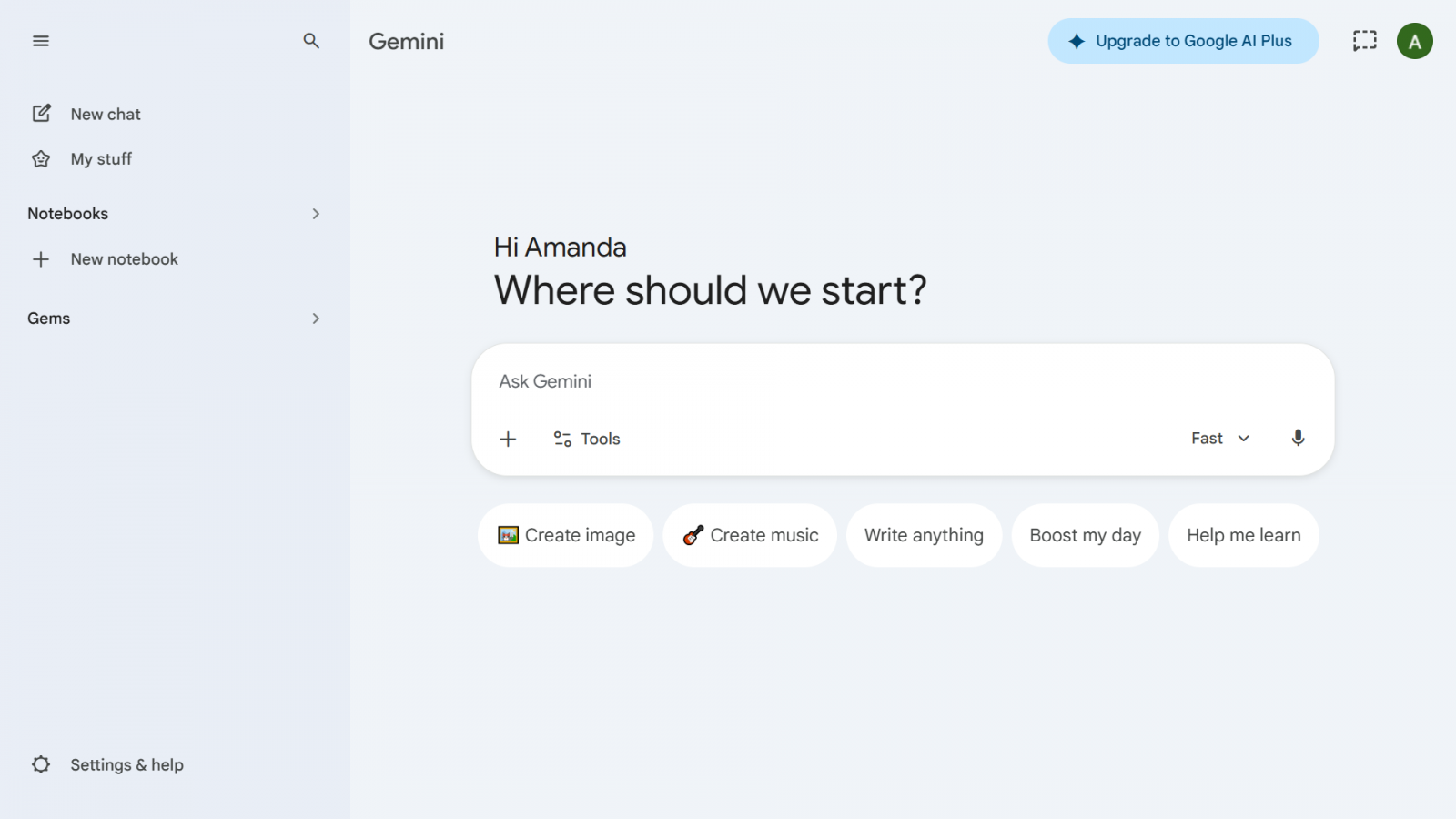
Gemini becomes especially valuable when a company already relies on Google Workspace.
Its biggest advantage isn’t necessarily model performance.
It’s integration.
If your team spends the entire day in Gmail, Google Docs, Sheets, Meet, and Drive, having AI embedded directly into those tools removes friction from everyday work.
Instead of constantly switching between applications, employees can summarize meetings, draft emails, analyze spreadsheets, and generate presentations within the same ecosystem.
For many organizations, workflow efficiency matters more than model rankings.
Gemini is particularly useful for:
- Email drafting
- Meeting summaries
- Spreadsheet analysis
- Presentation creation
- Knowledge organization
The downside is equally obvious.
If your company isn’t heavily invested in Google’s ecosystem, much of Gemini’s advantage disappears.
In that situation, comparing workflow benefits becomes more important than comparing model benchmarks.
Perplexity: The Research Assistant Most Businesses Need
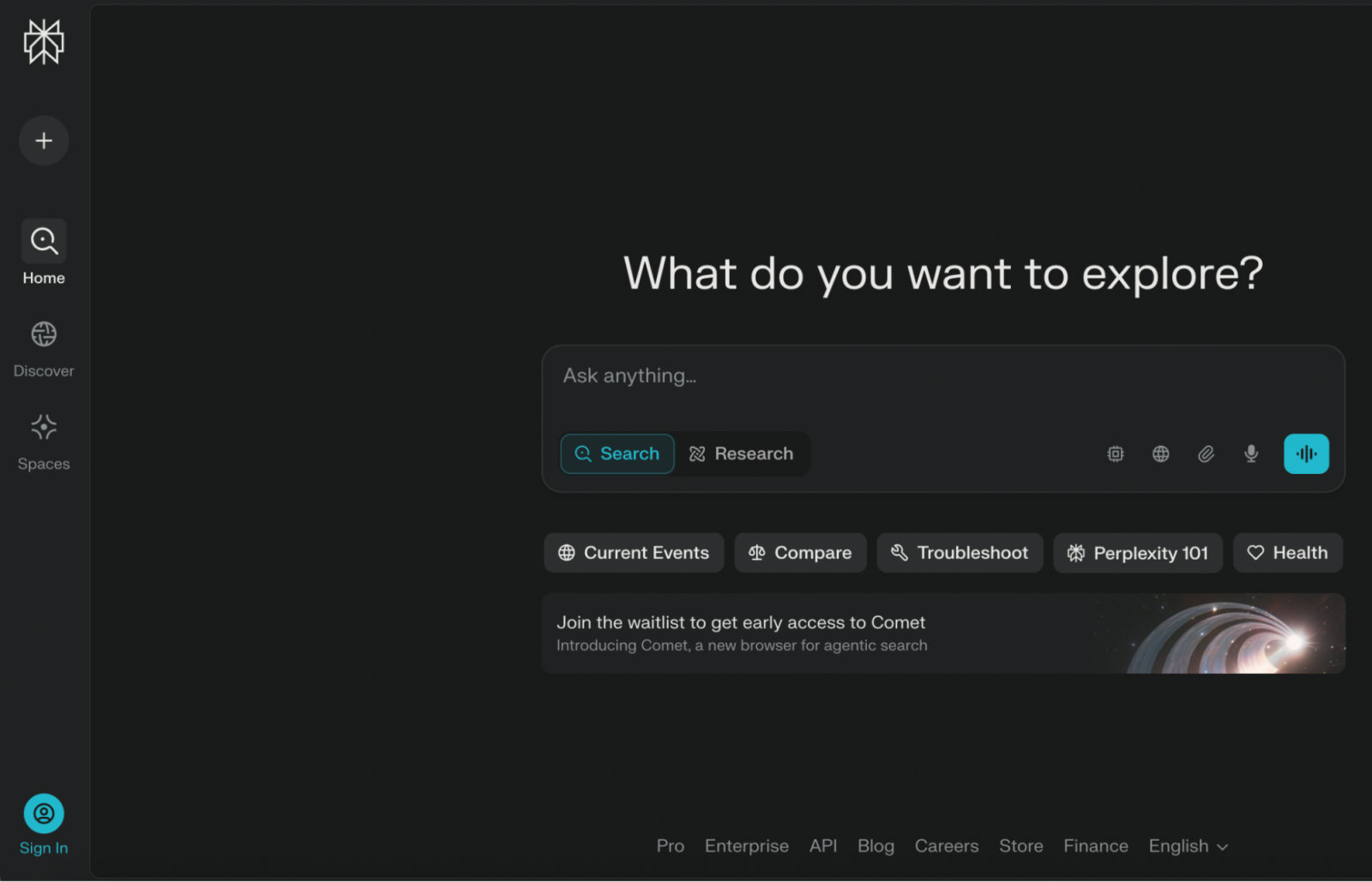
Many entrepreneurs think Perplexity is just another chatbot.
I don’t see it that way.
I see it as an AI-powered research engine.
Its biggest advantage is source visibility.
When it provides an answer, it also points to where the information comes from.
For businesses, this creates three important opportunities.
First, market research becomes significantly faster.
Second, fact-checking content becomes easier.
Third, teams can stay updated on rapidly changing industries.
This matters a lot in artificial intelligence because tools evolve constantly.
An article written six months ago may already contain outdated information.
I generally wouldn’t use Perplexity to write final marketing copy.
For that, ChatGPT or Claude are stronger options.
But for gathering information, validating claims, and exploring unfamiliar topics, Perplexity is often one of the most useful AI tools available.
Midjourney and Image Generators: When Visual Content Becomes the Bottleneck
For many companies, the real challenge isn’t writing.
It’s visual production.
E-commerce stores need product graphics.
Coffee shops need promotional posts.
Consultants need presentation visuals.
Construction companies need illustrations for proposals and marketing materials.
Producing those assets manually can consume enormous amounts of time.
Modern image-generation tools help solve part of that problem.
At the same time, marketing success depends on more than images.
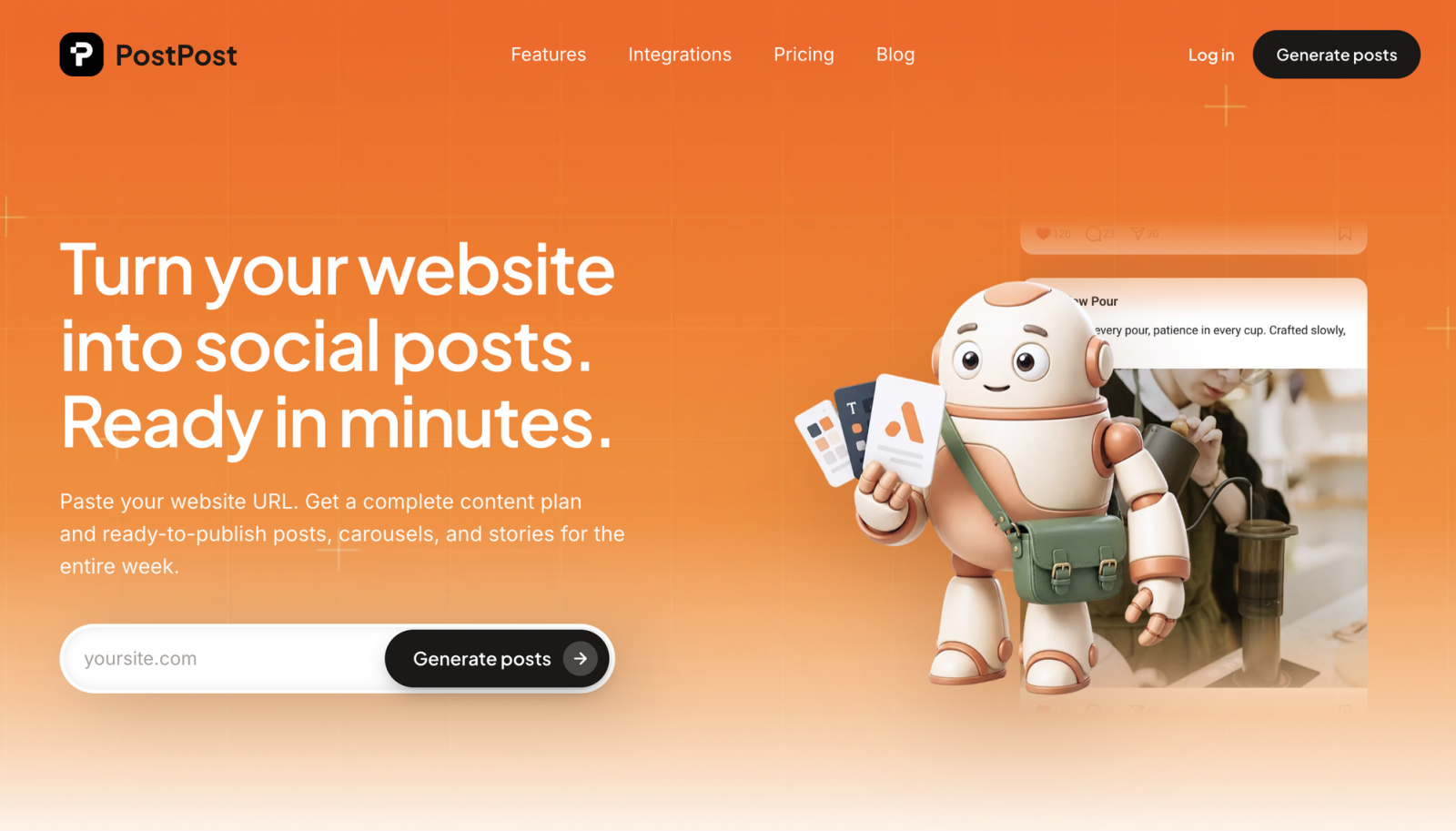
Businesses also need a steady flow of content for social media that keeps audiences engaged and strengthens brand visibility.
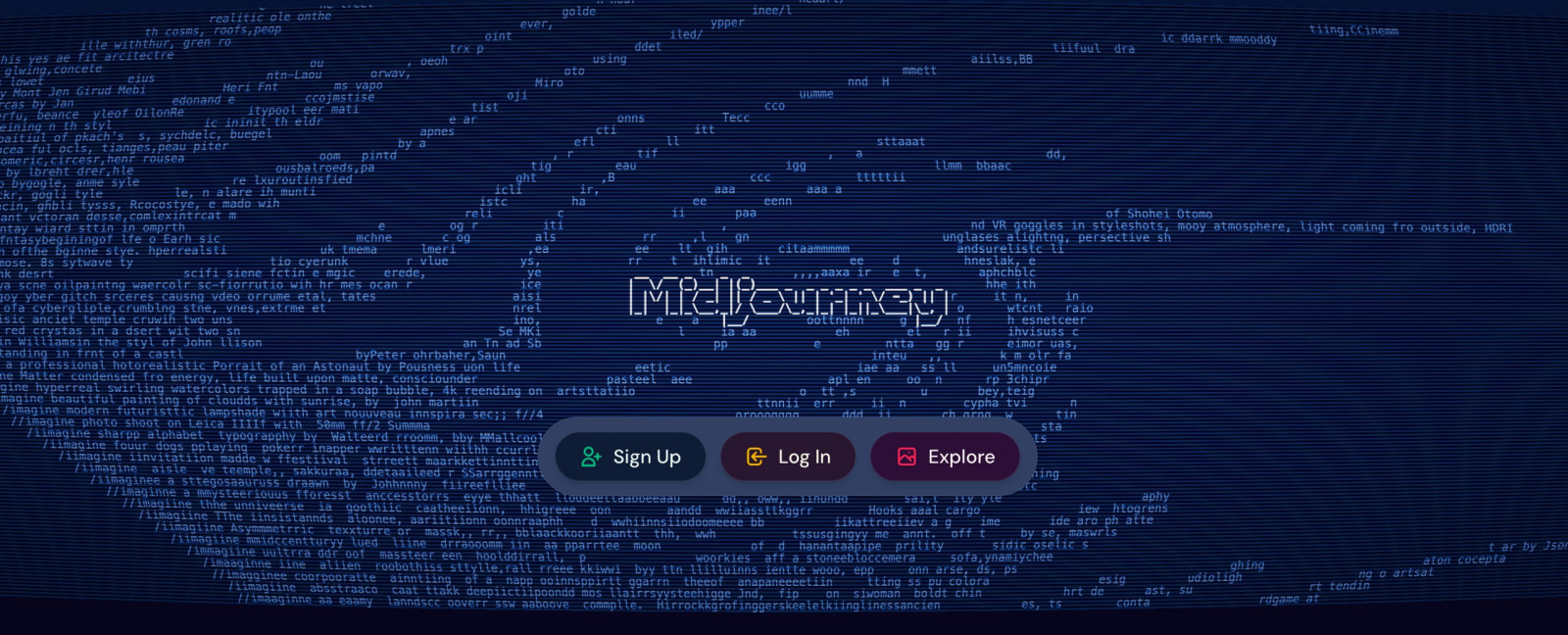
Midjourney and similar tools can generate impressive concepts quickly.
But a beautiful image alone isn’t an advertisement.
Effective advertising requires composition, messaging, branding, and a clear offer.
That’s why many companies eventually move beyond standalone image generators and adopt broader design ecosystems that connect AI with branding, templates, and marketing workflows.
Where Does Turbologo Fit Into This Ecosystem?
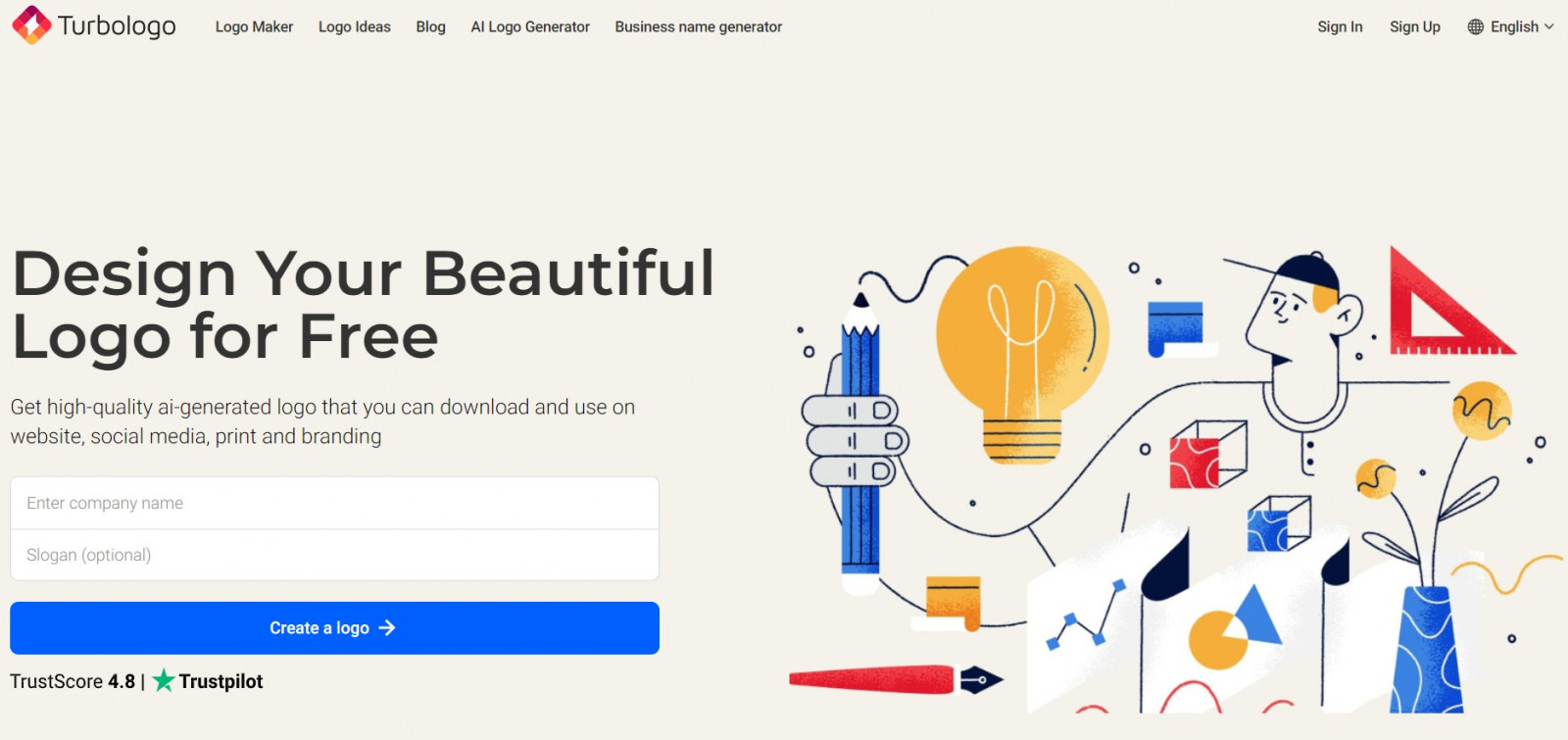
A logo is often the first visual asset customers associate with a business.
Without it, building a consistent website, social media presence, advertising campaign, or brand identity becomes much harder.
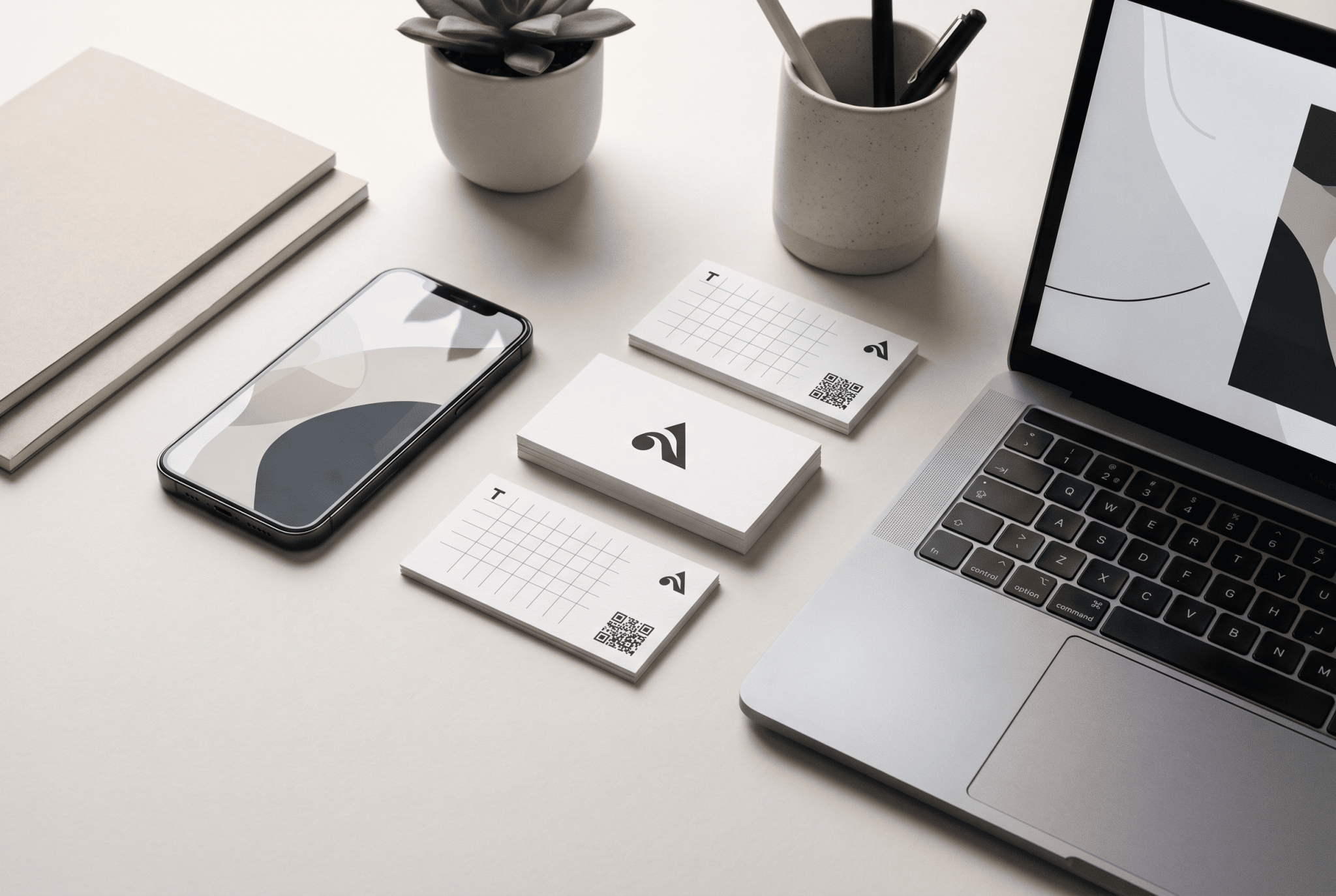
At Turbologo, we built our platform to help entrepreneurs create a complete visual foundation quickly. Instead of hiring a designer at the earliest stage, business owners can generate logos, color palettes, typography systems, business cards, favicons, and other branding assets within minutes.
In many ways, Turbologo functions as one of the leading AI business logo generators, helping founders move from an idea to a recognizable brand without lengthy design cycles.
For startups and small businesses, branding often gets postponed because there are too many urgent priorities.
That’s understandable.
But delaying branding creates another problem.
Marketing materials start looking inconsistent.
The website uses one style, social media uses another, and advertisements follow a third.
If you’re launching a new company, it’s worth learning how to make a logo using AI before investing heavily in websites, advertising campaigns, and content production.
A practical sequence usually looks like this:
- Define your market and offer
- Choose a business name
- Create your logo and visual identity
- Build your website
- Launch content and advertising
Speed is important.
Consistency is even more important.
A logo should remain recognizable whether it’s displayed on a website header, a mobile app icon, a social profile, or a business card.
Expert Tip
Never evaluate a logo only in large format. Reduce it to favicon size and view it on a mobile screen. If the typography becomes unreadable or the symbol turns into a blurry shape, the design will create problems later.
How to Choose AI Based on Your Business Type
Different businesses benefit from different AI workflows.
A local coffee shop needs a constant stream of promotional graphics, social posts, menus, and event announcements.
An online store needs product descriptions, product images, advertising creatives, and email campaigns.
A consulting firm needs case studies, proposals, reports, presentations, and educational content.
A personal brand requires consistent publishing, audience engagement, and content planning.
This is why I rarely recommend choosing AI based solely on rankings.
Business context matters more.
For a service company, Claude might create more value than Midjourney.
For an e-commerce business, image generation may produce a higher return than document automation.
The goal isn’t to find the smartest model.
The goal is to identify the tool that removes the biggest bottleneck.
Comparing Popular AI Tools for Business
| Tool | Main Strength | Best Use Case |
|---|---|---|
| ChatGPT | Versatility | General business tasks |
| Claude | Long-form writing and documents | Operations and documentation |
| Gemini | Google Workspace integration | Google-centered teams |
| Perplexity | Research and sourcing | Market analysis |
| Midjourney | Visual concepts | Creative production |
| Turbologo | Branding and logos | Brand launch and identity |
If I had to recommend a single starting tool for most entrepreneurs, it would be ChatGPT or Claude.
They cover the broadest range of business needs.
If I were building a complete AI stack today, I would typically combine:
- A language model for content and communication
- A research assistant for information gathering
- A design tool for visual production
- A branding platform for identity creation
For entrepreneurs who want a broader market overview, I recommend exploring these AI tools for entrepreneurs to better understand how different solutions fit together.
How to Measure Whether AI Is Paying Off

Many companies evaluate AI incorrectly.
They focus on novelty.
The better metric is time saved.
If a founder previously spent three hours drafting a blog article and now spends one hour editing a solid draft, that’s measurable value.
If a sales team creates proposals twice as fast, that’s measurable value.
If a marketing manager produces five campaign concepts instead of one, that’s measurable value.
The most successful AI implementations usually don’t replace employees.
They remove repetitive work and allow employees to focus on decisions, creativity, and strategy.
A simple rule works well:
If AI consistently reduces task completion time while maintaining quality standards, it’s creating value.
If it’s only producing interesting conversations, it’s entertainment rather than business infrastructure.
Common Mistakes Businesses Make When Choosing AI Tools
The first mistake is buying too many subscriptions.
A company signs up for five platforms and uses only one.
The second mistake is expecting AI to operate without human oversight.
AI produces drafts, suggestions, structures, and ideas.
Humans remain responsible for outcomes.
The third mistake is failing to save successful prompts.
Good prompts become intellectual property.
They should be documented and reused.
The fourth mistake is neglecting verification.
Facts, numbers, regulations, and claims should always be checked before publication.
The fifth mistake is ignoring branding.
A business that uses AI for content, design, and advertising still needs a coherent visual identity.
Otherwise, every customer touchpoint feels disconnected.
For teams that create banners, product visuals, posts, and ads regularly, an AI design generator can help keep production faster and more consistent.
My Final Recommendation
In 2026, businesses don’t need one perfect AI tool.
They need the right combination of tools for their workflow.
For writing and communication, ChatGPT and Claude remain excellent choices.
For research, Perplexity provides tremendous value.
For Google-based organizations, Gemini offers workflow advantages.
For image generation, Midjourney and similar platforms accelerate creative production.
For branding, logos, and visual identity, Turbologo helps companies establish a professional foundation quickly.
The most effective approach is surprisingly simple.
Start with one recurring task.
Test one AI solution for a week.
Measure the results.
Then expand.
AI is already helping companies create content faster, launch marketing campaigns more efficiently, build stronger brands, and automate routine work.
The businesses seeing the greatest results aren’t chasing every new model release.
They’re applying AI to real operational problems and turning saved time into growth.
Frequently Asked Questions
Which AI tool is best for a small business?
For most small businesses, ChatGPT or Claude provide the best starting point because they handle content, communication, planning, and everyday business tasks.
Can a business operate with only one AI tool?
Yes. Many small companies start successfully with a single platform and add additional tools only when new needs appear.
Which AI is best for advertising?
Language models such as ChatGPT and Claude are strong for ad copy, while image-generation tools are better for visual assets. Combining both usually produces the best results.
Should a startup use an AI-generated logo?
Yes. A logo creates visual consistency across websites, social media, advertising, and customer communications. AI-powered branding platforms significantly accelerate the process.