
Over the last year, I’ve noticed something interesting. Small businesses no longer see ChatGPT as a toy. Entrepreneurs already use it for posts, emails, and ad copy. But in most cases, it stops after a few random prompts.
The problem is not the AI itself. The problem is expectations. Many people think ChatGPT will magically “do marketing.” It doesn’t work like that. AI speeds up routine work, helps test ideas, removes the blank page problem, and cuts hours from content production.
This matters even more in small business marketing, where one person often handles sales, content, advertising, and product development at the same time.
Table of Contents
Why ChatGPT Became a Real Business Tool

A couple of years ago, AI tools looked experimental. Now they’re part of daily workflows. Online stores use AI for product descriptions. Beauty salons use it for social media planning. Online schools use it for email sequences and scripts.
Once entrepreneurs start exploring how ChatGPT works in business, they quickly realize something important: AI is most useful when tasks repeat every day.
That’s exactly why ChatGPT fits small business marketing so well. It doesn’t replace strategy, but it helps launch marketing activities much faster.
1. Creating Social Media Content Without Burnout
The biggest problem in content marketing is consistency.
A coffee shop posts five times one week and disappears for a month. An online store uploads random product photos with no system behind them. A local business only posts discounts.
ChatGPT helps organize this chaos.
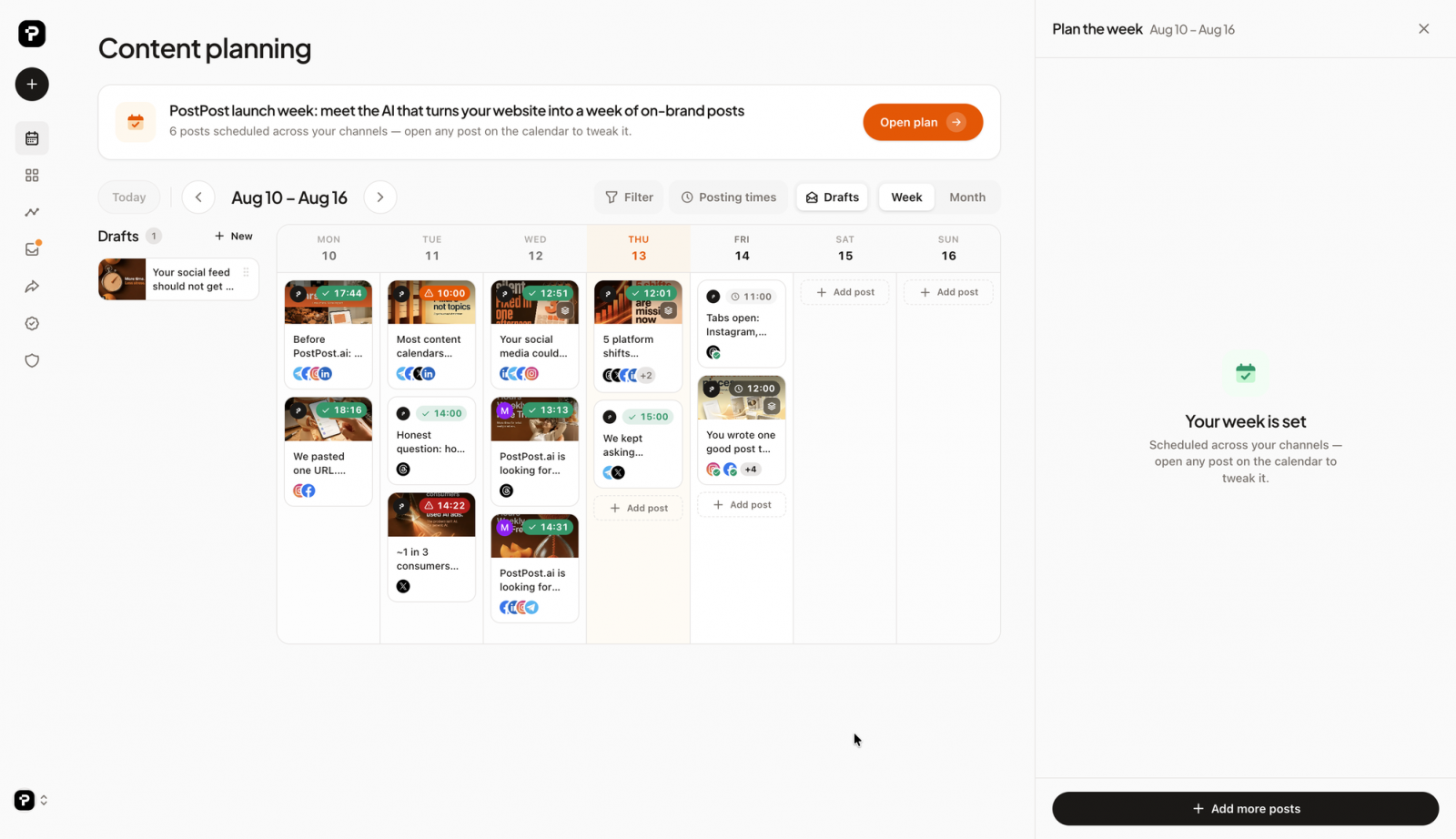
It generates content ideas, post formats, short-form video concepts, carousel structures, and content calendars in minutes. It works best when a business already understands its audience.
I recently saw a small interior design studio start using ChatGPT as a “draft editor.” Before AI, they managed two posts a week. After integrating ChatGPT into the workflow, they consistently published five.
Still, there’s an important detail. AI should not create “content about everything.” Content only works when it supports business goals. That’s why understanding content marketing matters before generating endless posts.
A useful prompt looks like this:
“Create a 2-week content plan for a local coffee shop. The goal is to increase breakfast sales. Include post ideas, Stories, and short video concepts.”
That gives a real working structure instead of random text.
Expert Tip: “Don’t ask ChatGPT to ‘write a post.’ First give it a role, product, audience, goal, and tone. Without that context, it writes average content for an imaginary average business.”
2. Generating Ad Copy Faster

Advertising campaigns rarely fail because of ad settings. Most of the time, weak messaging is the real problem.
ChatGPT helps businesses quickly test multiple angles, headlines, CTAs, and offers.
| Task | What ChatGPT Helps With |
|---|---|
| Headlines | Suggests multiple angles |
| Ad copy | Adjusts tone for audiences |
| Offers | Simplifies value propositions |
| CTA buttons | Creates call-to-action ideas |
| Visual concepts | Suggests ad creative directions |
For an online clothing store, a prompt could look like this:
“Write 15 ad headlines for a minimalist clothing brand. Audience: women aged 25-35. Tone: calm, modern, not aggressive.”
Then the business simply chooses the strongest options and improves them.
Many entrepreneurs still underestimate how important visuals are in advertising. Text and design work together. That’s why businesses increasingly use tools like an AI design generator to speed up creative production for ads and social media.
3. Email Marketing Without Hiring a Copywriter
Email marketing sounds outdated until businesses start measuring repeat purchases.
Even a small email list can generate revenue when messages are sent consistently.
ChatGPT helps:
- create welcome emails;
- build post-purchase sequences;
- reactivate old customers;
- brainstorm subject lines;
- reduce writing time.
For an online course, a prompt might look like this:
“Write a sequence of three emails for users who downloaded a free English learning guide. The goal is to get them to book a trial lesson.”
ChatGPT generates a solid draft quickly. But there’s a mistake many businesses make: they publish AI-generated emails without editing them.
That usually creates generic copy.
AI often writes in a polished but empty tone. Real businesses need specifics, personality, and details. Human editing still matters.
4. Brainstorming Promotions and Marketing Ideas

One underrated use of ChatGPT is idea generation.
Small businesses often struggle not because of low budgets, but because they run out of fresh marketing ideas.
What should launch before a holiday? How do you reactivate old customers? What local offers actually work?
ChatGPT speeds up brainstorming.
For a beauty salon, a prompt might look like this:
“Generate 20 summer promotion ideas for a beauty salon. Small budget. Goal: increase repeat bookings.”
The first answer usually won’t become a complete strategy. But it gives direction for testing.
Personally, I never recommend using the first idea immediately. Better results usually appear after refining prompts and exploring different directions.
Expert Tip: “Don’t use the first idea ChatGPT gives you. Ask for three versions: simple, bold, and budget-friendly. The strongest concepts often appear after follow-up prompts.”
This is where AI becomes useful for decision-making instead of just content generation.
5. Building Brand Visuals and Marketing Assets
This is where many businesses hit a wall.
They have content ideas and ad copy, but visually everything feels disconnected. One banner is dark, another bright red, another looks copied from a random template.
As a result, the brand loses consistency.
ChatGPT helps describe visual directions:
- color palettes;
- visual style;
- headline placement;
- ad layout ideas;
- tone of creative assets.
But ChatGPT alone does not build a brand identity.
That requires a real visual system.
Before launching ads or social media campaigns, businesses should define their logo, typography, colors, and visual templates.
With Turbologo, businesses can create a logo online and instantly build a foundation for branding. That saves time for companies without an in-house designer.
The visual system can later be reused across social media, advertising, presentations, and email campaigns.
AI has dramatically accelerated design production. A few years ago, creating a single campaign banner could take hours. Today, tools like AI-powered design generators help businesses create visuals for marketing campaigns in minutes.
And this changes the entire pace of small business marketing.
Consistent branding matters even more on social platforms. That’s why businesses increasingly focus on social media branding instead of treating every campaign separately.
Common Mistakes Businesses Make With ChatGPT

The biggest mistake is treating AI like a magic “perfect content” button.
ChatGPT doesn’t know your customers, objections, or business reality.
The second mistake is writing vague prompts.
If someone writes:
“Create an ad.”
the result will usually feel generic.
But if the prompt says:
“Write ad copy for a coffee shop near a subway station focused on quick breakfast service.”
the output becomes much stronger.
The third mistake is ignoring branding consistency.
Businesses generate content, banners, emails, and ads, but visually everything looks disconnected. AI works far better when the business already has a clear brand identity.
How to Start Using ChatGPT Without Chaos
Don’t automate everything at once.
Start with:
- content ideas;
- ad copy;
- emails;
- social media concepts.
Then move into:
- video scripts;
- FAQs;
- product descriptions;
- creative direction.
The best approach is building a personal library of prompts. After a few weeks, businesses usually develop a set of prompts that consistently produce useful results.
That’s when ChatGPT stops feeling like a fun experiment and becomes part of the actual marketing workflow.
Frequently Asked Questions
Will ChatGPT replace marketers?
No. It speeds up execution, but strategy and audience understanding still require human expertise.
Do businesses need advanced prompts?
Not really. Clear prompts with context usually perform better than overly complicated instructions.
Can small businesses use AI without designers?
Yes. Especially for content, quick campaigns, and testing ideas.
Why does branding still matter if AI creates content?
Because disconnected visuals make businesses look inconsistent and less trustworthy.
Final Thoughts
ChatGPT matters because it accelerates marketing work.
It helps businesses test ideas faster, launch campaigns quicker, and spend less time staring at a blank screen.
That’s why AI is becoming a core small business tool instead of a temporary trend.