Over the past few years, web design has stopped being a matter of taste. It has become a matter of survival. Through design, users decide whether to trust a company or close the tab within three seconds. After observing dozens of website launches and redesigns across different industries, one thing has become clear: the trends shaping 2026 are driven not by aesthetics, but by human behavior, decision-making speed, and the growing influence of AI. This article explores those trends from a practical business perspective rather than a purely visual one.
Table of Contents
Why Web Design Trends in 2026 Have Become a Business Tool
In the past, design was often judged by a simple principle: “I like it” or “I don’t like it.” Today, users evaluate websites differently. They react to usability, speed, and clarity. If a website feels cluttered or difficult to read, trust declines. If the interface behaves predictably, decisions are made faster.
The web design trends of 2026 reflect this shift. Their primary goal is to reduce cognitive load, increase engagement, and improve conversion rates. Beauty without functionality no longer delivers results.
Trend 1. AI as a Design Co-Creator, Not a Toy
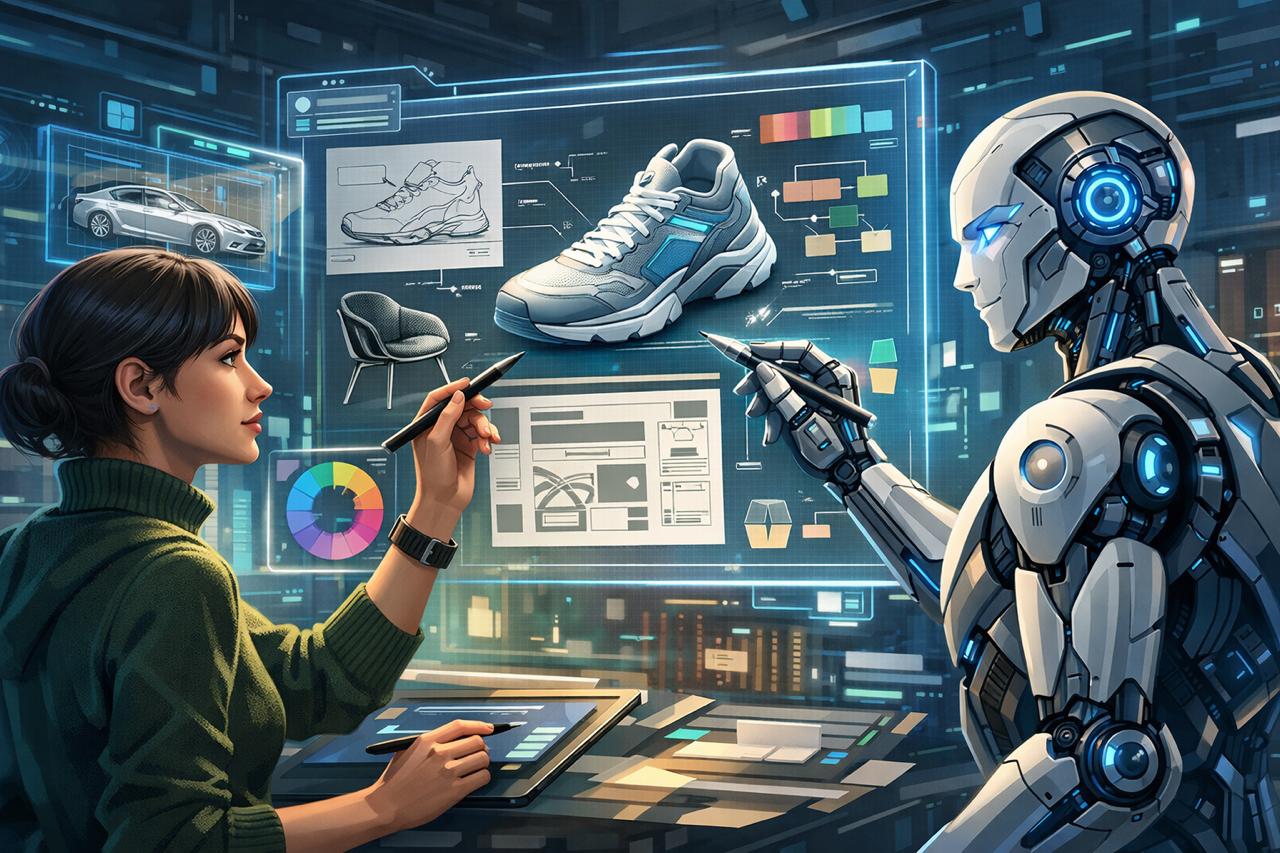
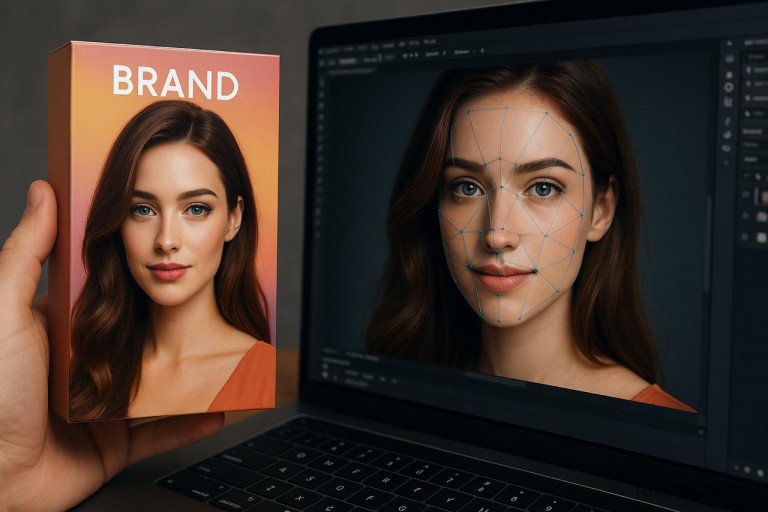
Artificial intelligence is no longer an experiment. In 2026, it has become a standard participant in the design process. Grid generation, color palette selection, and adapting content blocks to different user behaviors can now happen automatically.
The key shift is that design is no longer fixed. It adapts to context. The same website may look and behave differently for a first-time visitor than for a returning customer.
Businesses exploring AI-powered workflows can benefit from understanding which AI tool is best suited for different business tasks before integrating automation into their design process.
Expert Tip: A common mistake is using AI purely for visual effects. AI only creates value when it saves time and reduces manual work. If automation makes the process more complicated, it is solving the wrong problem.
Trend 2. Minimalism Without Emptiness
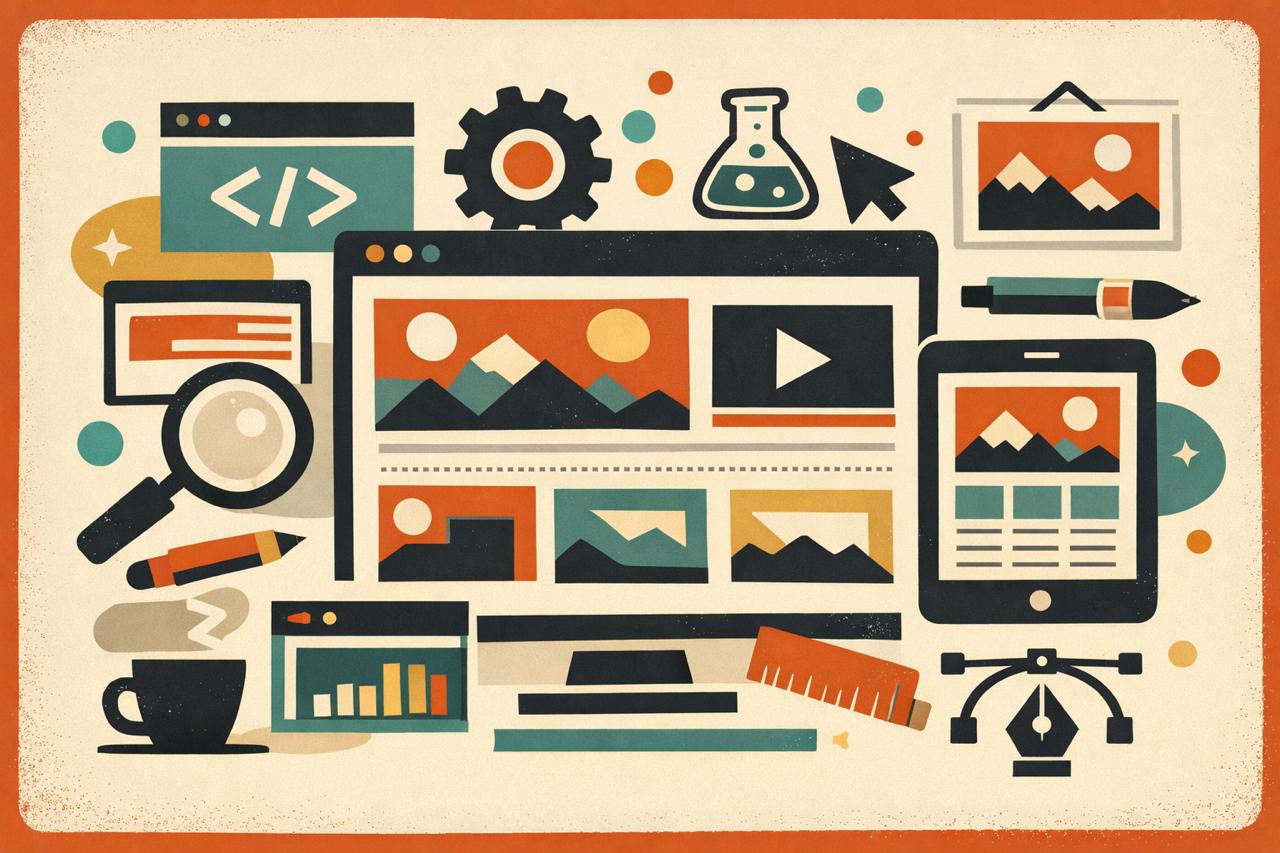
Minimalism no longer means “fewer elements.” It means “nothing unnecessary.”
In 2026, visual noise continues to disappear, while the informational value of every section increases.
Texts become shorter. Headlines become more specific. Buttons become more visible. White space is used to create focus rather than decoration.
This approach reduces user fatigue. Websites become easier to scan, and decisions become easier to make.
Trend 3. Design Built for Speed and Low-Powered Devices
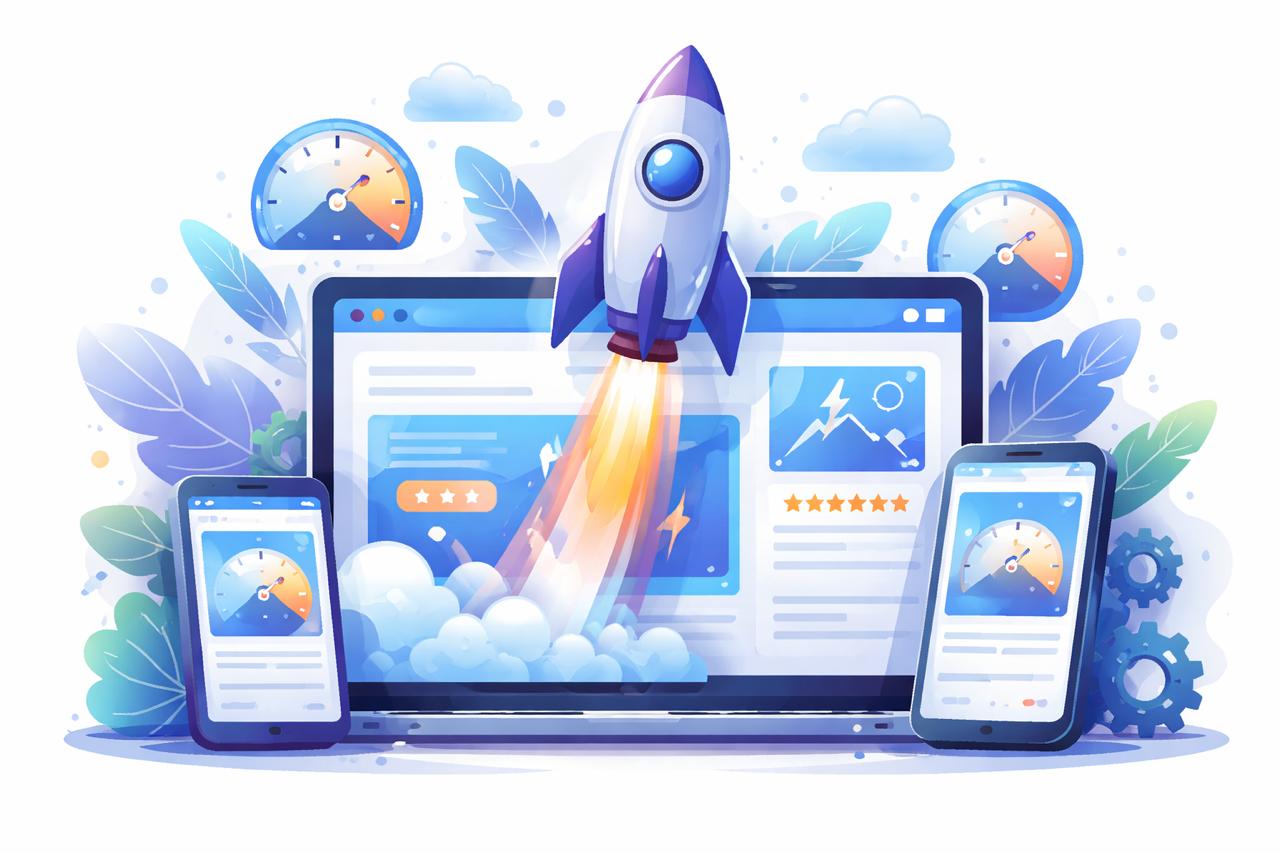
Performance has become part of the visual experience. A slow website feels unreliable, even when it looks professional.
Web design in 2026 is created with the following realities in mind:
- Low-powered mobile devices
- Unstable internet connections
- Limited user attention spans
As a result, designers are moving away from heavy animations and excessive visual effects. Fast rendering and instant interface responsiveness take priority.
This trend also aligns closely with modern website builder selection criteria, where speed and performance are often more important than advanced visual effects.
Trend 4. Microinteractions With a Clear Purpose
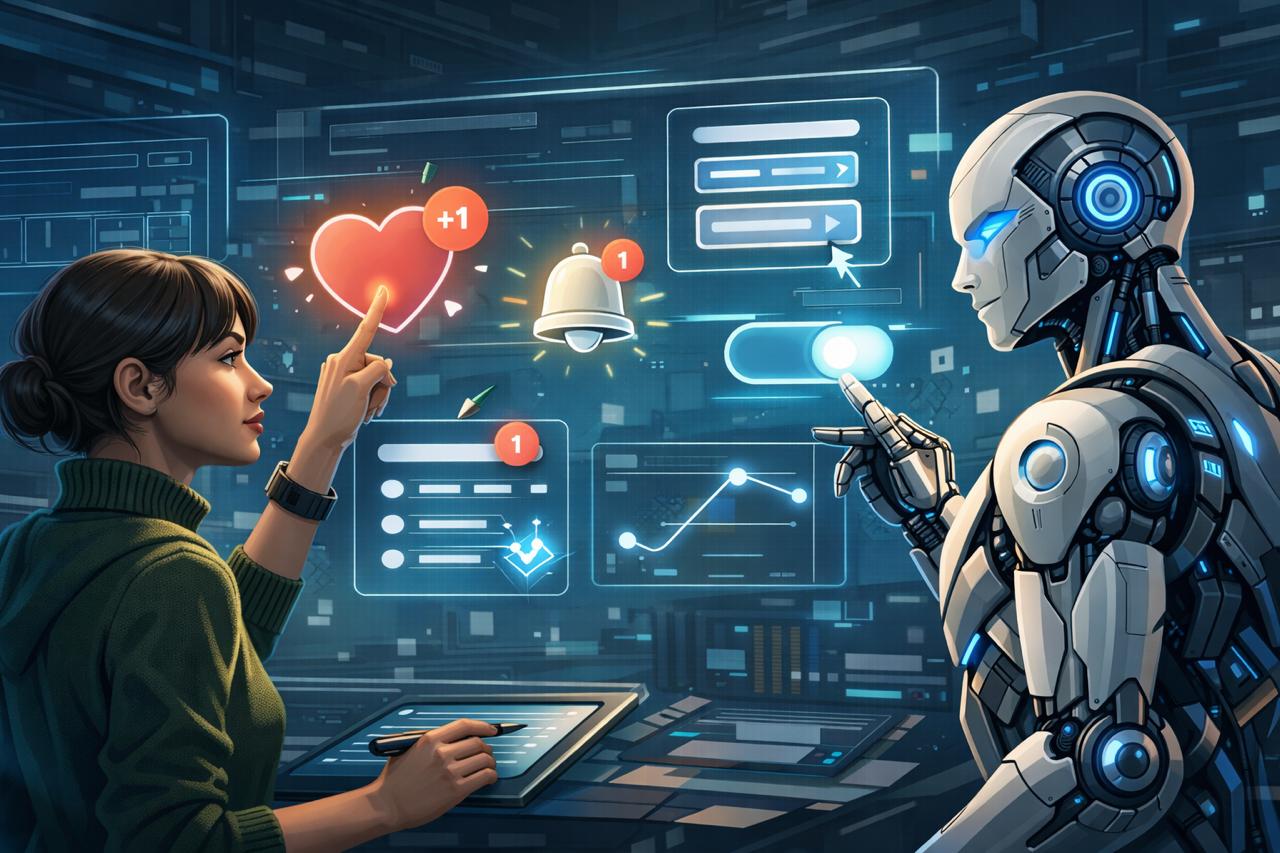
Animation is no longer decorative. It explains, confirms, and guides.
Microinteractions help users understand that an action has been accepted, a process is running, or a result has been delivered.
In 2026, these subtle elements operate almost subconsciously. Users feel in control without actively thinking about it.
Trend 5. Human-Centered Design and the End of Sterility
Websites are starting to feel alive again.
Overly polished and perfectly symmetrical interfaces often create distance rather than trust. Designers are embracing subtle asymmetry, authentic illustrations, and copy with personality.
This shift is particularly visible among service businesses and personal brands. People prefer interacting with people rather than faceless interfaces.
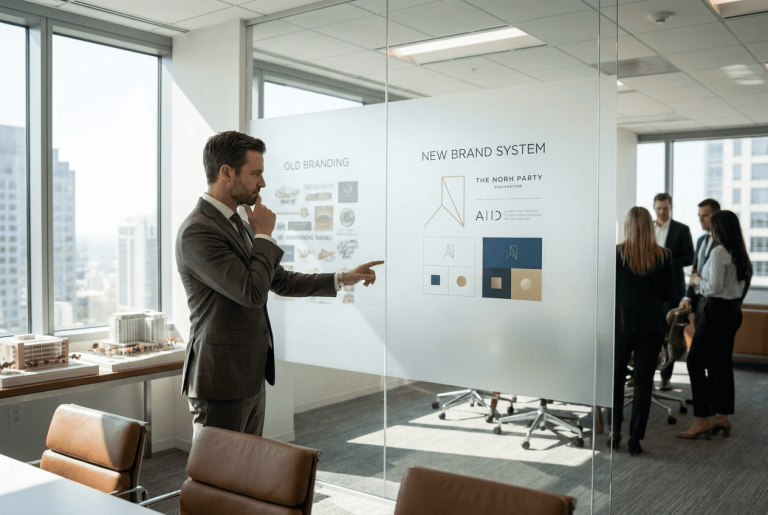
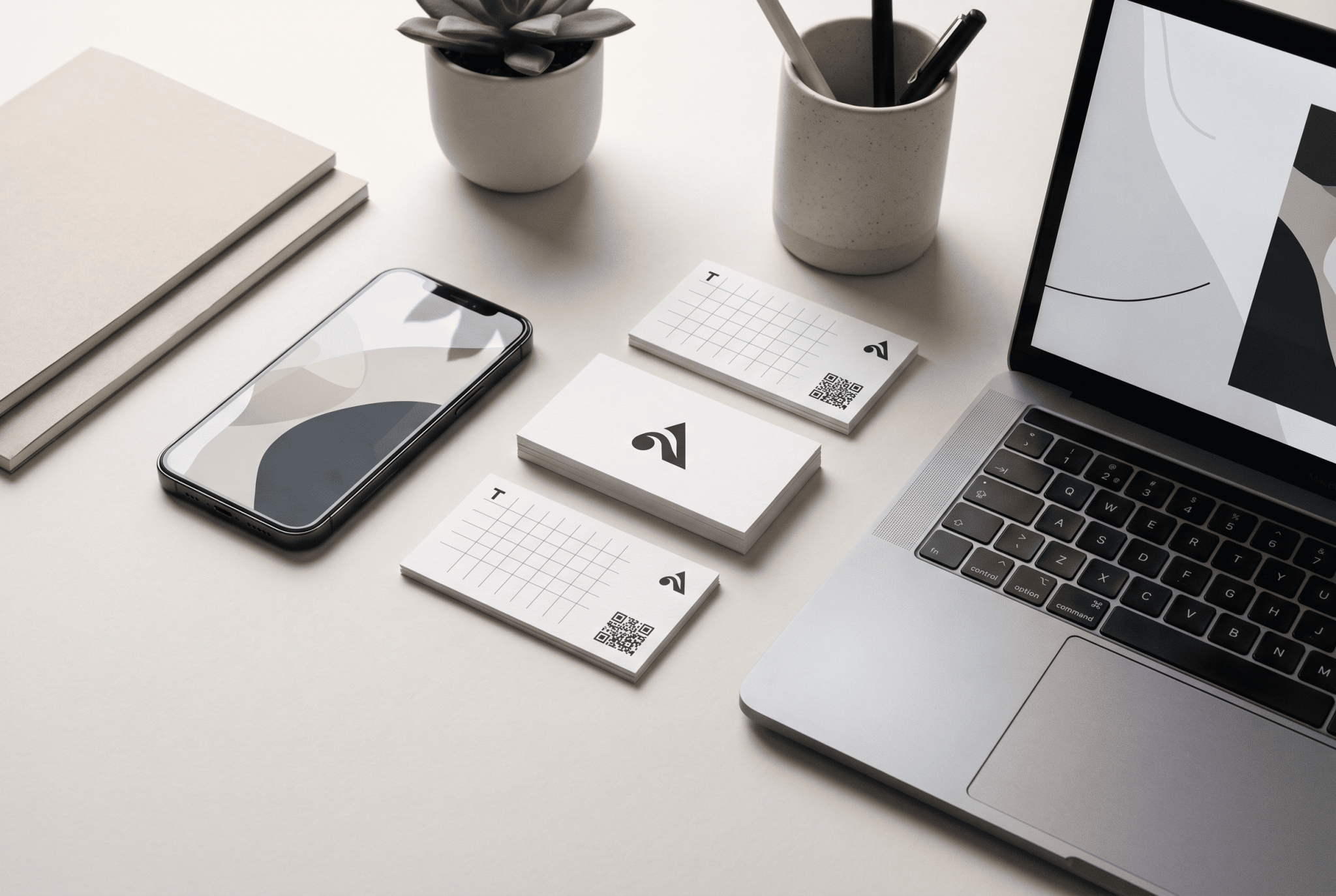
For brands building stronger emotional connections online, maintaining a consistent visual identity across digital channels has become increasingly important.
Trend 6. Accessibility as a Standard, Not an Option
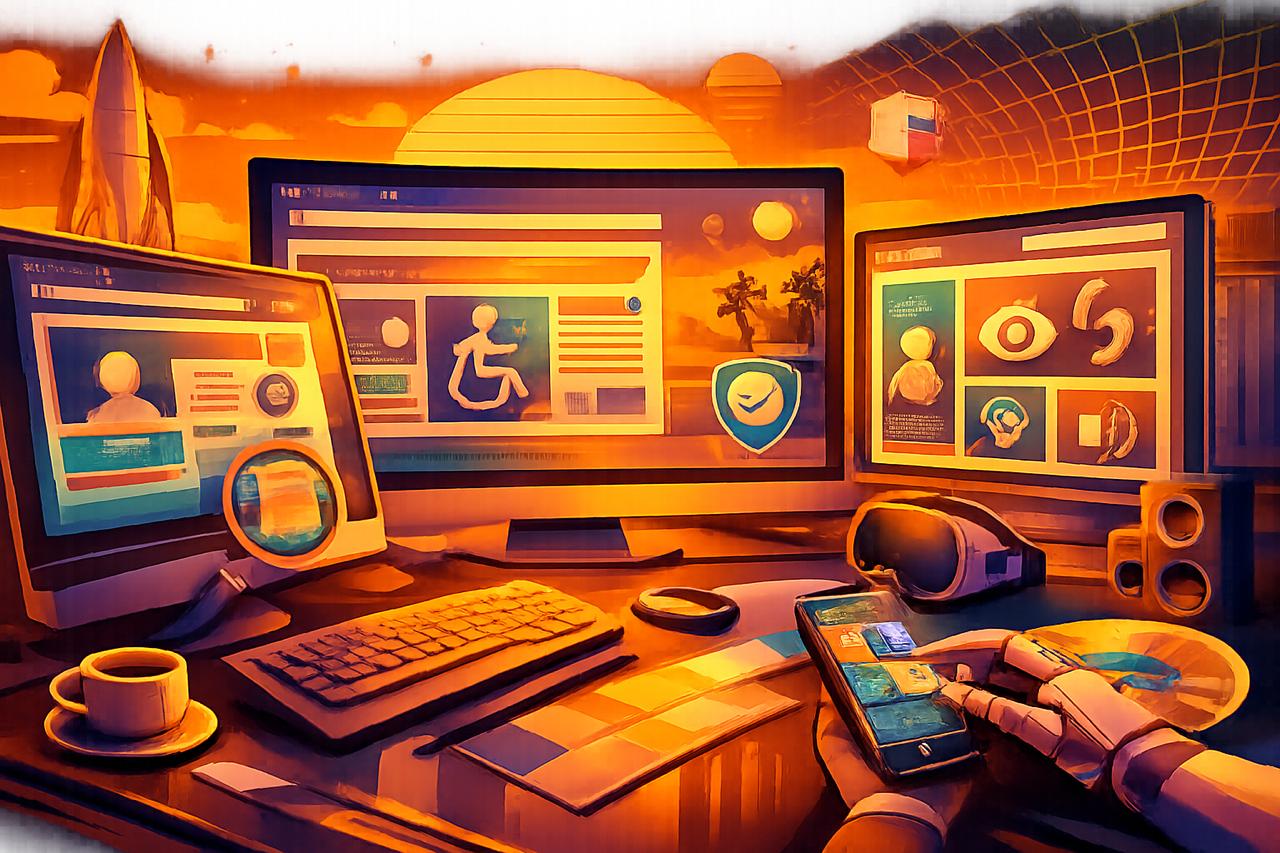
Accessibility is no longer viewed as a legal checkbox. In 2026, it has become a trust and growth factor.
High-contrast colors, readable typography, logical navigation, and support for screen readers improve the experience for everyone, not just users with disabilities.
Organizations that prioritize accessibility often see stronger engagement and brand perception because usability benefits all visitors.
Trend 7. No-Code Websites and the Growing Role of Visual Builders
No-code and low-code platforms are no longer temporary compromises. They have become a significant part of the web design ecosystem.
For businesses, this means:
- Faster launches
- Lower costs
- Greater control over updates
However, it is important to remember that a website builder is a tool, not a strategy. Results still depend on information architecture, user flows, and visual hierarchy.
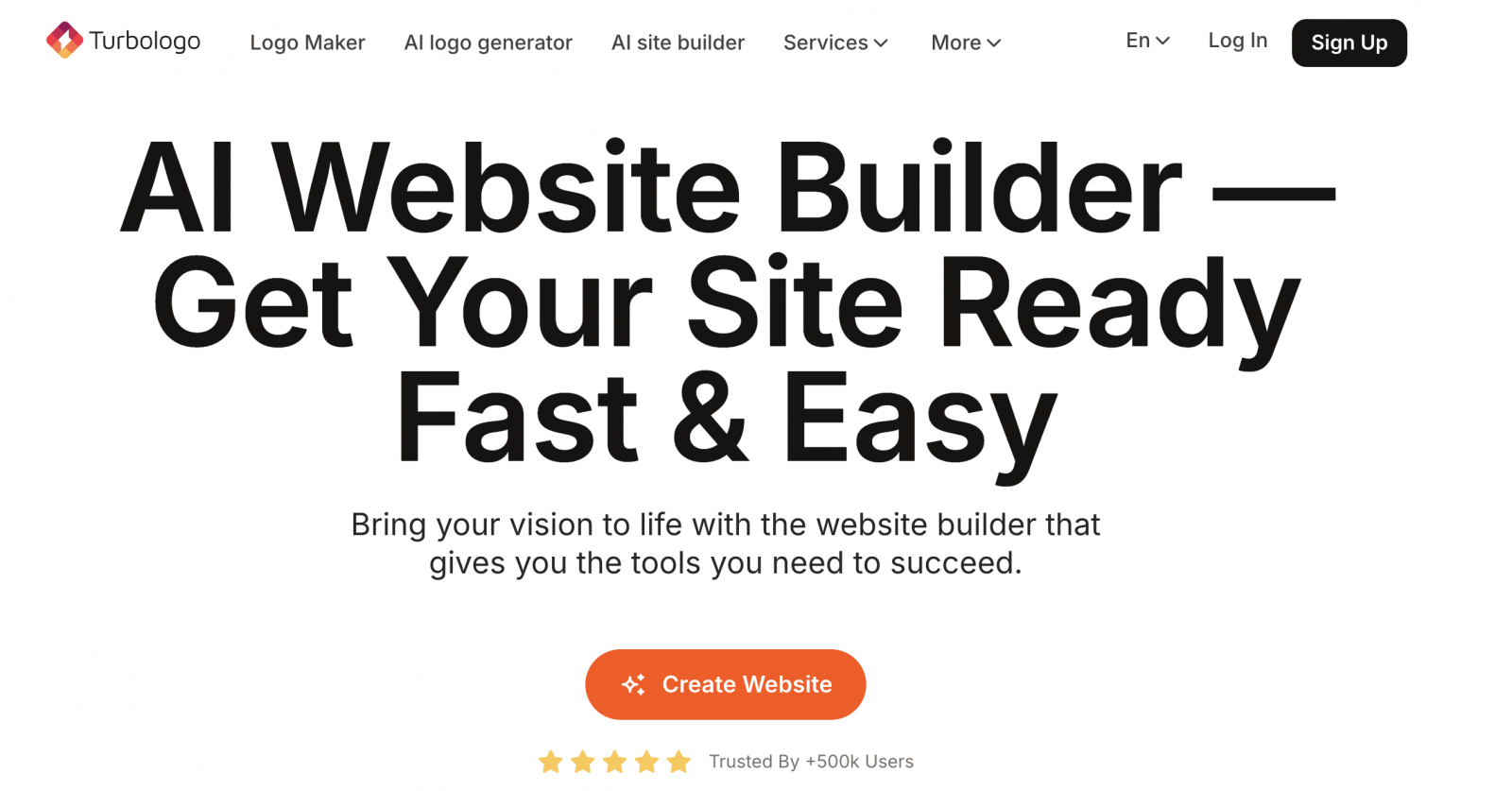
Particular attention should be given to the Turbologo AI Website Builder, which uses artificial intelligence to generate both website structure and visual design. This approach removes many technical barriers for entrepreneurs without design experience and allows them to focus on their content and products rather than technical implementation.
How to Choose the Right Trends for Your Business
Not every trend belongs in every project.
One of the biggest mistakes businesses make is trying to implement everything at once. The result is often a website that feels overcrowded and lacks a clear focus.
A more effective approach is:
- Define the website’s goal.
- Understand the user journey.
- Select two or three trends that strengthen that journey.
Everything else can wait.
Expert Tip: If a trend cannot be connected to higher conversions, lower bounce rates, or faster decision-making, its business value is questionable.
Businesses planning future growth should also pay attention to broader digital marketing trends shaping 2026, since website performance is increasingly tied to overall marketing strategy.
When Professional Expertise Becomes Necessary
Template-based solutions are excellent for getting started. However, as a business grows, new challenges emerge: scaling operations, managing complex user journeys, and integrating multiple systems.
At that point, design stops being a visual layer.
It becomes part of the company’s business architecture.
Frequently Asked Questions
Which web design trends are likely to remain relevant the longest in 2026?
Trends focused on usability, speed, and personalization are the most sustainable because they are driven by human behavior rather than temporary aesthetics.
Should businesses hand design over entirely to AI?
AI performs well for foundational tasks, but final decisions still require human judgment and an understanding of context.
Does a website need a redesign every year?
No. Continuous adaptation and targeted improvements are generally more effective than complete redesigns.
Is no-code suitable for serious businesses?
Yes, provided the chosen platform offers sufficient flexibility, scalability, and logical structure.
Conclusion
Web design in 2026 is not about visual experimentation for its own sake. It is about clarity, speed, and trust.
Trends only become valuable when they support a specific business objective. Companies that approach web design from this perspective transform their websites from digital brochures into genuine growth tools.