
After more than 10 years working in design and product development at Turbologo, one pattern keeps repeating itself. Businesses invest heavily in advertising, packaging, websites, and social media, yet still hit a wall. Potential customers browse the website, watch Stories, read reviews — and still postpone the purchase.
The problem is usually not the creatives or the pricing.
The real issue is trust.
This article breaks brand authenticity down into practical, understandable elements: what it actually means, why it became critical in 2026, and which decisions genuinely influence sales performance.
Table of Contents
Why Trust Became the Main Business Asset in 2026
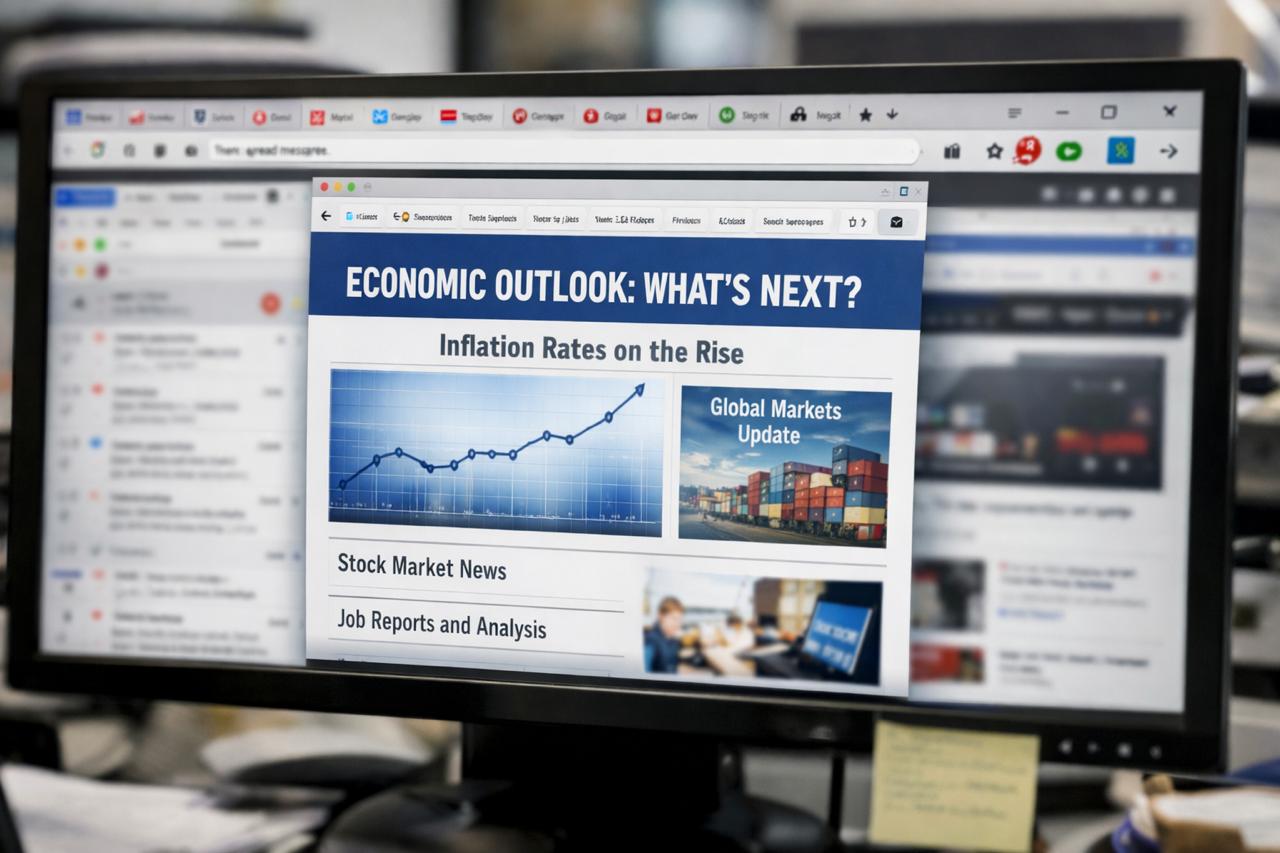
Consumers are exhausted by promises. Social feeds are overloaded with “unique offers,” while search results are packed with nearly identical websites. At the same time, audiences now have far more tools for verification: reviews, public case studies, aggregator platforms, comment sections, comparison videos, and AI-generated search answers.
A brand mistake spreads faster than a press release.
Several external indicators clearly show this shift:
- The Edelman Trust Barometer 2025 describes brands as some of the most trusted institutions in society — which is both an opportunity and a responsibility. Expectations around brand behavior are increasing.
- PwC’s Voice of the Consumer Survey 2024 directly discusses a “trust deficit,” noting that consumers seek reliability and confidence from brands amid financial, environmental, and technological uncertainty.
- Nielsen’s long-cited research on advertising trust continues to show that recommendations from friends and family remain the most trusted purchasing influence.
The conclusion is simple:
Trust is no longer “a nice reputation bonus.” It has become part of the infrastructure of sales itself. Without trust, every additional marketing step becomes more expensive.
This is especially visible in modern digital branding ecosystems where audiences constantly compare companies across platforms. Maintaining consistency across channels is now a core trust factor, which is why many businesses focus on a unified visual identity and communication system across social media and websites, as explained in the guide on social media branding consistency.
What Brand Authenticity Actually Means
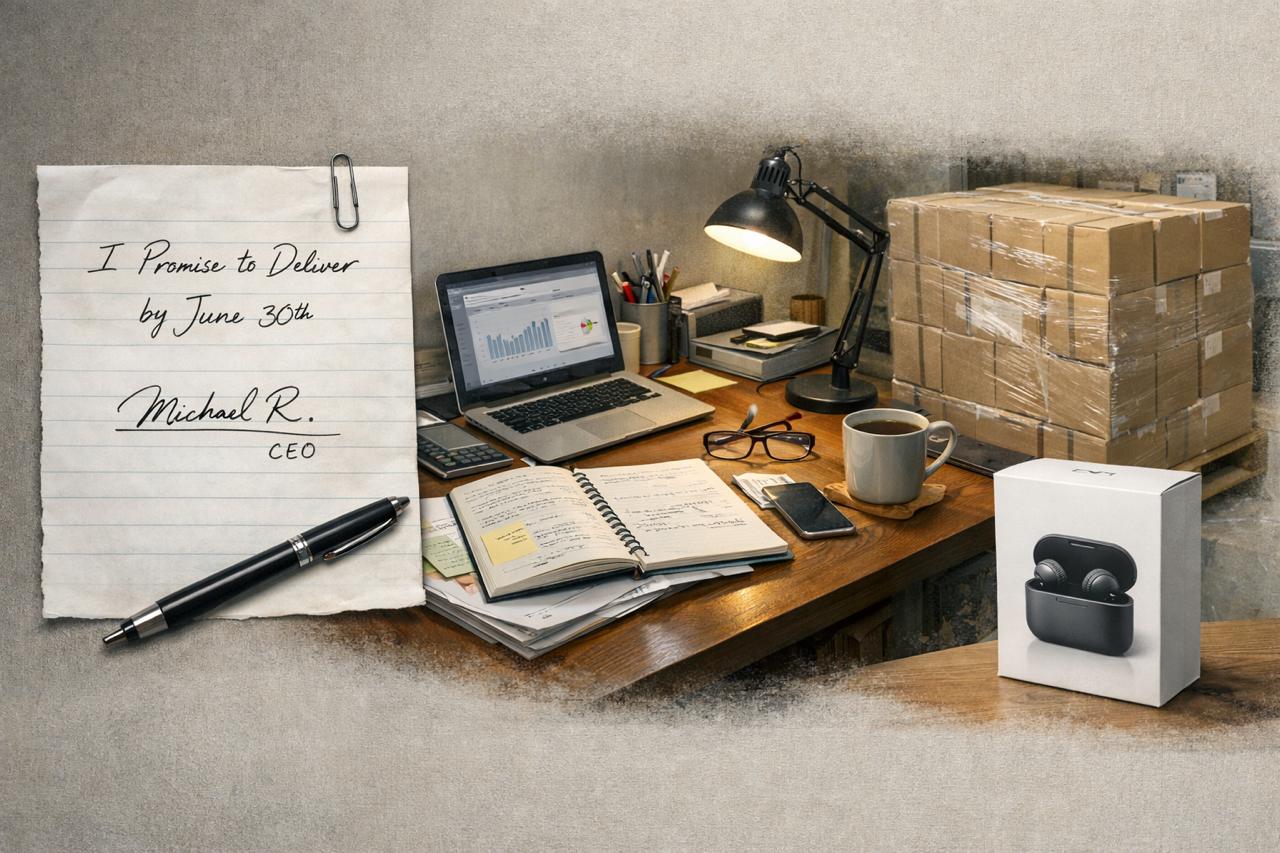
Brand authenticity is the alignment of three things:
- Promise — what the brand claims.
- Behavior — what the brand does when nobody is applauding.
- Evidence — what the audience can verify without simply “taking your word for it.”
Authenticity is not perfection.
Perfection often looks polished and artificial, while excessive polish in 2026 creates suspicion. Authenticity is closer to a transparent, verifiable position:
“This is how we work. This is what we stand behind. These are our strengths. These are our limitations.”
Authenticity vs. Marketing Mask
| Area | Authentic Brand | Marketing Mask |
|---|---|---|
| Promises | Specific and verifiable | Broad and exaggerated |
| Communication tone | Calm and concrete | Overconfident without detail |
| Content | Case studies, numbers, processes | Generic mission statements |
| Mistakes | Acknowledged and corrected | Hidden or justified |
| Social proof | Real reviews and examples | Screenshots without context |
If a brand sounds impressive but reality breaks the illusion, trust collapses quickly. Rebuilding it can take months or even years.
Where Businesses Most Commonly Lose Trust
1. Generic Positioning
Phrases like “best service,” “high quality,” or “personalized approach” prove nothing. Every company says the same thing.
Authenticity begins where specificity appears:
- who the brand helps,
- how exactly it helps,
- under what conditions,
- and with what results.
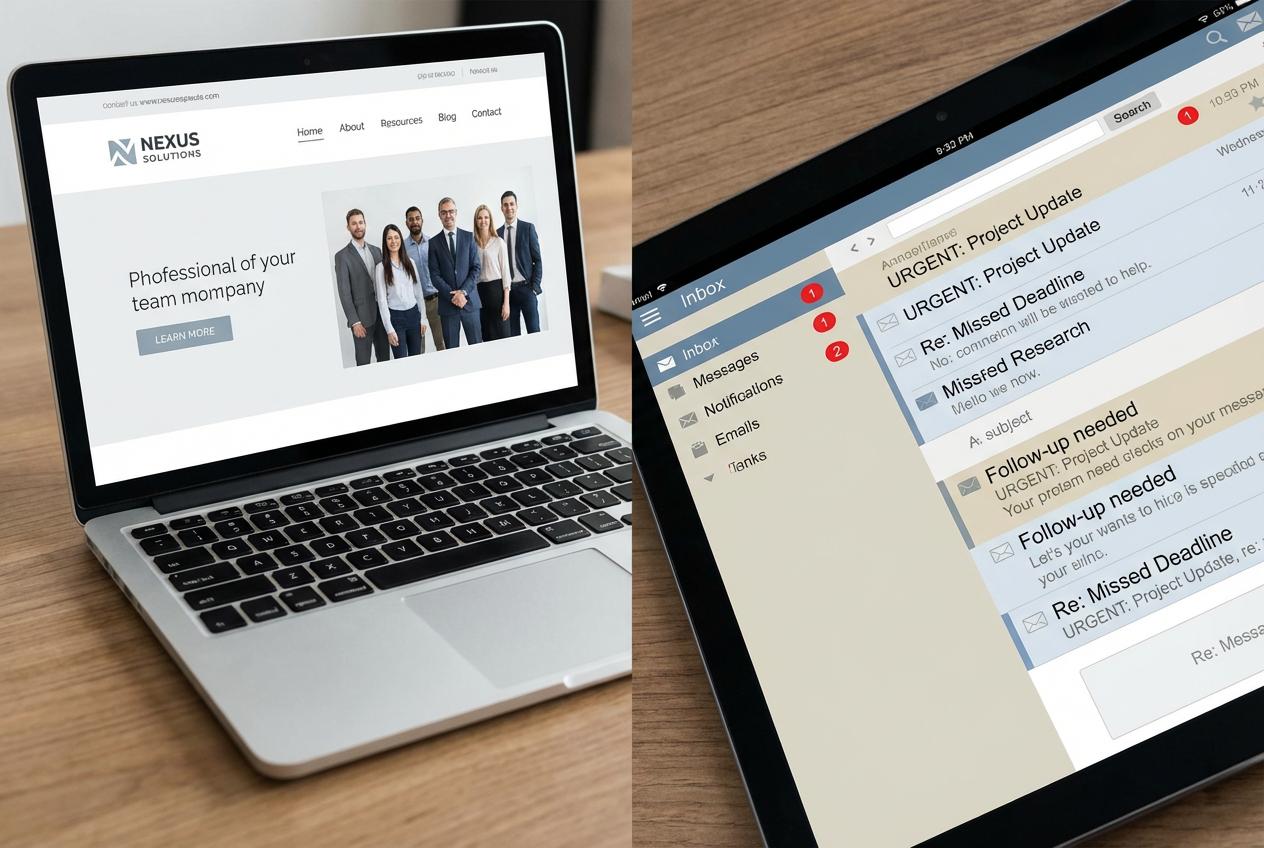
2. The Gap Between the Showcase and Reality
The website promises a “5-minute response,” but support replies hours later.
The blog talks about customer care, while customer support sends robotic templates.
Audiences immediately recognize this disconnect as insincerity — even if deception was never intentional.
3. Fake Expertise
Content that feels copied from a textbook, without personal practice, context, or a clear point of view, no longer builds credibility in 2026. It resembles generated compilations rather than real expertise.
Ironically, even an excellent product can lose because of weak presentation.
Expert Tip: The most expensive mistake is trying to appear bigger and more “corporate” than you actually are. The opposite works better:
clear boundaries and honest conditions. Saying “we only take projects starting from $3,000” builds far more trust than “we work with any budget.”
How Authenticity Influences Sales Mechanically
The modern customer journey rarely follows the old model of:
“see ad → buy product.”
Instead, it looks more like a chain of validations:
- First impression
(visuals, tone, clarity) - Fact-checking
(reviews, portfolio, case studies, conditions) - Comparison
(competitors, marketplaces, recommendations) - Risk reduction
(guarantees, transparent process, refund policies) - Decision
Authenticity speeds up movement between these stages.
When a brand provides clear evidence and avoids hiding uncomfortable details, the perceived risk decreases. This creates what could be called the “economics of trust”:
less doubt → lower acquisition cost → higher conversion.
A strong and recognizable communication system also matters here. A clearly defined brand voice helps audiences recognize consistency immediately across content, customer support, advertising, and product communication.
Practical Steps to Build an Authentic Brand
1. Communication: Speak in a Way Reality Can Support
Brands do not need “values on a wall.”
They need operational scenarios:
- how support replies,
- how pricing is explained,
- how mistakes are acknowledged,
- how rejection is communicated respectfully.
A tone of voice does not have to be “friendly.”
It must be consistent.
If a brand communicates formally, it should remain formal everywhere. If it uses simple language, then even contracts should stay understandable.
2. Product and Service: Authenticity Always Lives Inside the Process
Authenticity is built through consistency.
One excellent customer experience means little if the next customer encounters chaos.
Stability appears when processes are repeatable and documented.
3. Proof: Show the Work, Not the Slogans
The strongest trust signals are verifiable:
- real photos and videos,
- screenshots of metrics with explanations,
- detailed case studies,
- testimonials with context instead of generic praise.
Trust Signals Checklist
| Trust Signal | What to Show |
|---|---|
| Transparent conditions | Pricing ranges, timelines, limitations |
| Customer understanding | Common customer problems and solutions |
| Competence | Case studies, methodology, reasoning |
| Honesty | Product limitations and fit |
| Social proof | Reviews, examples, real people |
The Logo as a “Fast Trust Test”
A logo does not create trust on its own.
But it can destroy first impressions very quickly.
Authenticity is visible through details:
- proportions,
- readability,
- typography quality,
- relevance to the industry,
- visual consistency.
One of the most common mistakes is building a logo entirely around trends without connection to the brand itself. The result may look attractive, but communicate nothing meaningful.
That creates uncertainty:
people simply do not understand who the company is.
For businesses that need a fast but controlled starting point, the “foundation first, refinement later” approach works best. Platforms like Turbologo help establish this foundation by allowing businesses to define their niche, choose a style direction, generate concepts, and later refine typography and color systems based on positioning.
The logic is simple:
clarity and consistency create a sense of order.
And order is closely connected to trust.
If you want a deeper understanding of how visual systems shape perception, the article on corporate identity strategy explains how consistent design decisions strengthen recognition and credibility across all customer touchpoints.
Expert Tip: Do not try to force every meaning into the logo itself. When a symbol attempts to tell the entire company story, it becomes a puzzle. A logo has one primary task: to quickly communicate professionalism and relevance. Everything else is reinforced through communication, experience, and proof.
Authenticity and AI: A Risk Businesses Often Underestimate

AI dramatically accelerated content production, design generation, and communication workflows.
That is useful.
But by 2026, audiences have learned to recognize templated content instantly.
Content without facts, experience, or perspective feels like noise — even if it is grammatically perfect.
Authenticity does not mean avoiding AI.
It means following one principle:
“AI can assist production, but the brand remains responsible for meaning and proof.”
The best content usually includes elements AI cannot realistically invent:
- real decisions,
- real constraints,
- real mistakes,
- real conclusions.
Businesses actively using AI for branding often achieve better results when they combine automation with genuine strategic thinking and human positioning. This balance is especially important in modern workflows that involve AI-generated visuals, content, and advertising creatives, as discussed in the article about AI design generators and creative production.
Frequently Asked Questions
Is brand authenticity mainly about mission and values?
Only partially.
Without behavior and proof, values remain declarations. Authenticity appears when words consistently match actions.
Should brands openly show weaknesses to appear honest?
Weaknesses should appear through transparent limitations:
who the product is not suitable for,
which conditions matter,
and where trade-offs exist.
This reduces uncertainty and filters out the wrong customers early.
What if trust has already dropped because of mistakes?
Start by acknowledging the issue.
Then fix the root cause and demonstrate the changes publicly. Empty apologies without action are perceived as PR rather than accountability.
Does a logo really affect trust if the product itself is good?
Yes — mainly at the first barrier.
A weak logo creates doubt before the audience even discovers the product quality. A strong logo does not directly convince people to buy, but it reduces hesitation during the first interaction.
Final Thought
If everything in this article had to be summarized in one sentence, it would be this:
Brand authenticity in 2026 is not about “being good.”
It is about being verifiable.
When audiences can verify a brand easily, trust grows naturally — and sales stop depending entirely on advertising budgets.