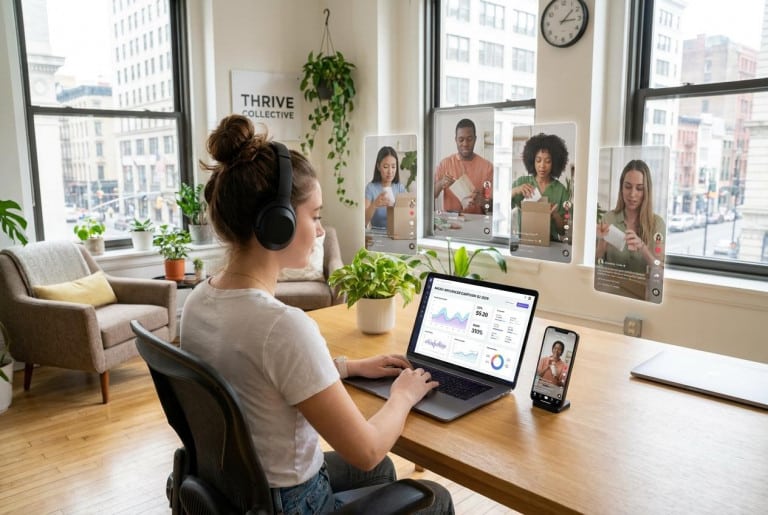
After 10+ years of working with small businesses, one thing is clear: direct advertising keeps getting more expensive, while trust has become the main currency. Micro-influencers can bring that trust, but only with discipline — in numbers, agreements, and tracking. This guide solves a practical task: how to launch your first campaign in 7–14 days and understand whether the channel brings leads and sales.
Table of Contents
What Changed by 2026 and Why “Small” Creators Often Win

Big bloggers still sell reach. For small businesses, reach rarely helps when there is no strong brand capital or long creative funnel. A micro-influencer works differently: the audience is smaller, but the response is usually denser, and recommendations sound more believable, especially in highly competitive niches.
The second change is social commerce. In-platform purchases and shop mechanics are growing, so businesses increasingly need content that leads to action right away. A good trend marker is how small companies are actively testing TikTok Shop and similar storefronts: The Guardian covered this in its article about small businesses and TikTok Shop, “UK small businesses sign up to TikTok Shop.”
The third change is that content has become an asset. One successful integration can turn into a UGC package: videos, reviews, short clips for ads, and marketplace product cards. A small business gets not just a one-time post, but a set of usable materials.
If you want to build this channel into a broader system, it is worth connecting it with your overall social media marketing strategy for 2026, because influencer content works better when it supports the same goals, offers, and sales funnel.
Who Micro-Influencer Marketing Is Good For: 3 Yes/No Tests
Test 1. A Clear Product and a Clear Reason to Buy
If the offer is simple — price, discount, booking, delivery, trial visit, demo — micro-influencers fit naturally. If the offer is vague, the integration turns into “look at this brand.”
Test 2. Something Visual to Show
Services, food, beauty, fitness, and products are ideal categories. For B2B, it can also work, but through expert content and lead magnets.
Test 3. Readiness to Measure Results
Without UTM tags, promo codes, or a separate landing page, it is easy to end up with “there were likes, but no sales.”
Terms That Keep Businesses from Drowning in Illusions
A micro-influencer is a smaller creator in a niche with noticeable audience trust.
A nano-influencer is an even smaller creator, often local, and useful for a low-cost test.
ER, or engagement rate, means engagement, but you should look not only at the percentage, but also at the quality of comments.
UGC is content from real people that can later be used in advertising and product cards.
CPM, CPE, and CPA mean cost per thousand impressions, cost per engagement, and cost per action.
ROMI and ROI mean return on marketing investment and return on investment.
For calculations, a useful reference point is Influencer Marketing Hub, which explains influencer cost logic and CPM/CPE/CPA metrics in “How to Calculate Influencer Costs.”
Economics: How to Calculate Budget and Results Without Magic
You need a basic formula: actions → money. The action depends on the business: lead, booking, order, or payment.
Mini Calculator for a Pilot Campaign
A pilot is usually built around 3–5 creators, so you do not judge the whole channel by one “lucky shot.” Then you calculate:
- predicted clicks or visits, based on the creator’s past integrations or the average CTR in the niche;
- landing page conversion;
- cost per lead, or CPA;
- margin and ROMI.
If there is no tracking, the pilot turns into a show.
Table: Payment Models and When They Work
| Model | What the Business Gets | Where the Risk Is | When to Use It |
|---|---|---|---|
| Fixed fee for integration | Predictable content placement | Easy to overpay for an empty audience | When the creator is already checked |
| Barter | Low entry budget | Barter does not always motivate quality | For nano and local creators |
| Hybrid: fixed fee + bonus | Balance between control and motivation | Disputes over bonus rules | For pilots and scaling |
| Performance-based payment / affiliate | Payment for sales or leads | Harder to agree on and measure | Ecommerce and services with promo codes |
Expert Tip: The most expensive mistake is buying reach when you need demand. Before the first payment, answer one question: “Where does the viewer go 10 seconds after watching?” If there is no answer, the integration turns into media advertising with no real chance of ROMI.
Where to Find Micro-Influencers and How to Select Them Without Illusions

The search sources are simple: hashtags and geo search, local communities, competitors’ followers, niche chats, reviews, and local opinion leaders. Queries like “blogger seeding” and “influencer marketing” often lead to aggregators and agencies, but for small businesses, it is more profitable to learn basic selection.
A useful framework for working with micro and nano creators is available in ApexDrop’s “Micro Influencer Marketing Guide 2026.”
Before choosing creators, compare them with your real customer profile. A helpful additional step is to check how you define and segment your target audience, because even a strong creator will not bring quality leads if their audience does not match your buyer.
Anti-Fraud Checklist: Red Flags
One short check removes half of the risk:
- sudden follower spikes with no clear reason;
- one-word, identical, or vague comments;
- high ER but no clicks;
- audience does not match your geography or niche;
- content is about everything, with no clear core topic.
Selection Matrix
It is better to make decisions not by “like/dislike,” but by a simple matrix:
| Criterion | What to Check | Minimum Rule |
|---|---|---|
| Niche | Match between topic and customer pain | 70% of content is on topic |
| Audience | Geography, gender, interests | Matches your buyer |
| Reaction | Comments, saves | There are meaningful replies |
| Result | Previous clicks or leads | Creator can share numbers |
Brief and Content: How to Get UGC That Sells
Small businesses usually have two scenarios: “beautiful” and “sells.” The first one often does not bring leads. The second requires a brief.
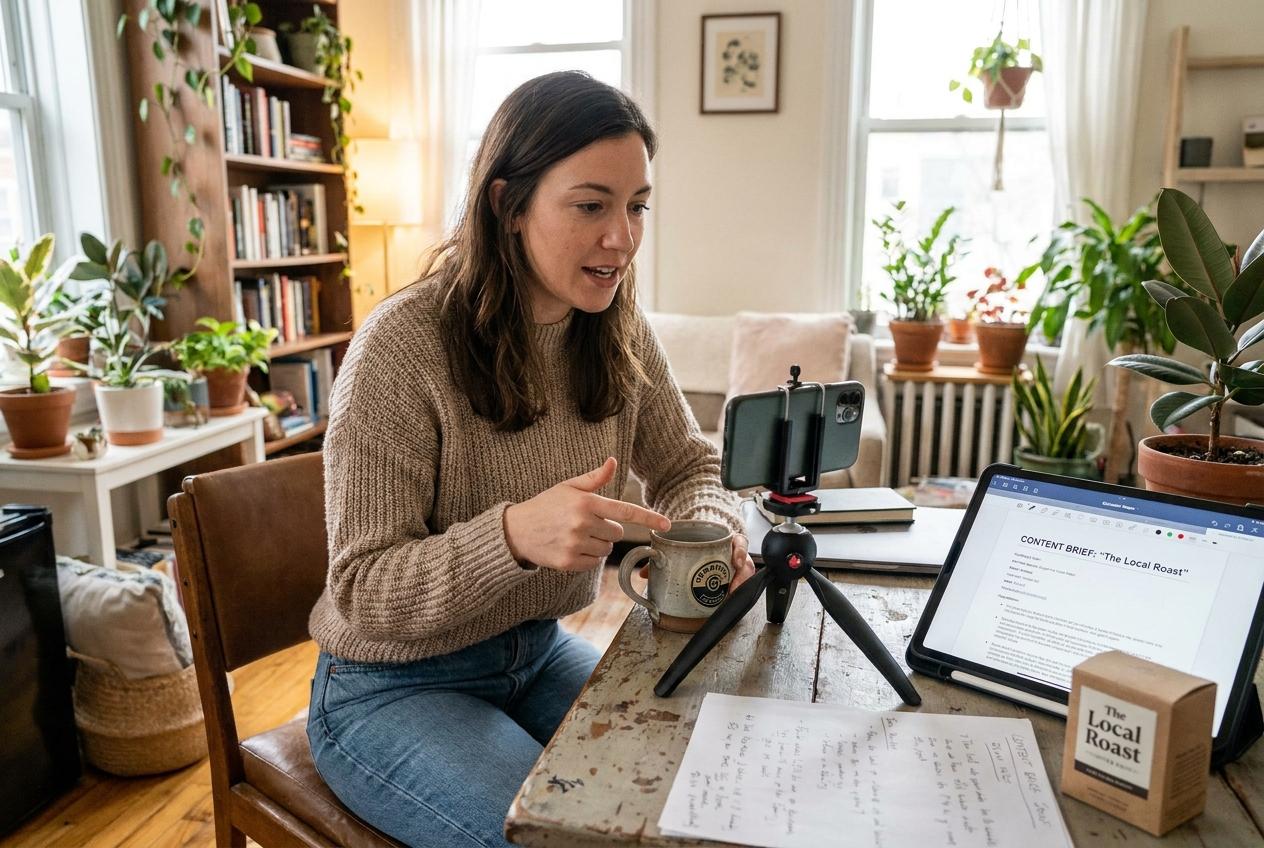
The brief should answer 5 things: goal, offer, required shots, restrictions, and tracking. In 2026 guides from Status and Influize, this appears as a basic standard: without a creator brief, the creator films “as they understood it.” Status’s “Micro-Influencer Marketing Guide” and Influize’s “Micro Influencers Guide” are useful for checking the structure.
Creative scenarios that more often generate leads:
- a specific review with price, timing, and terms;
- before/after with a measurable result;
- usage experience with honest details;
- “who this is not for” without dramatization.
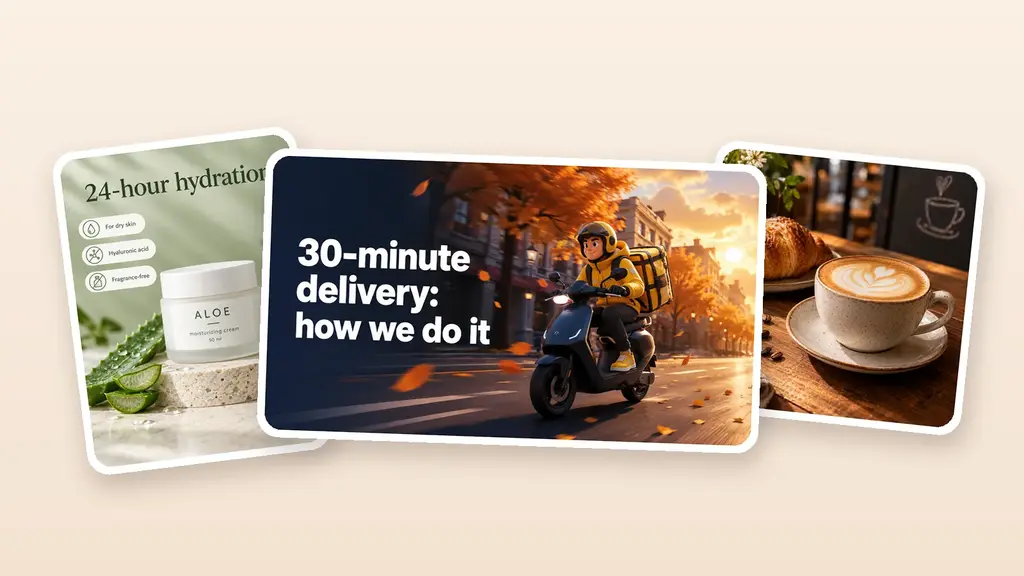
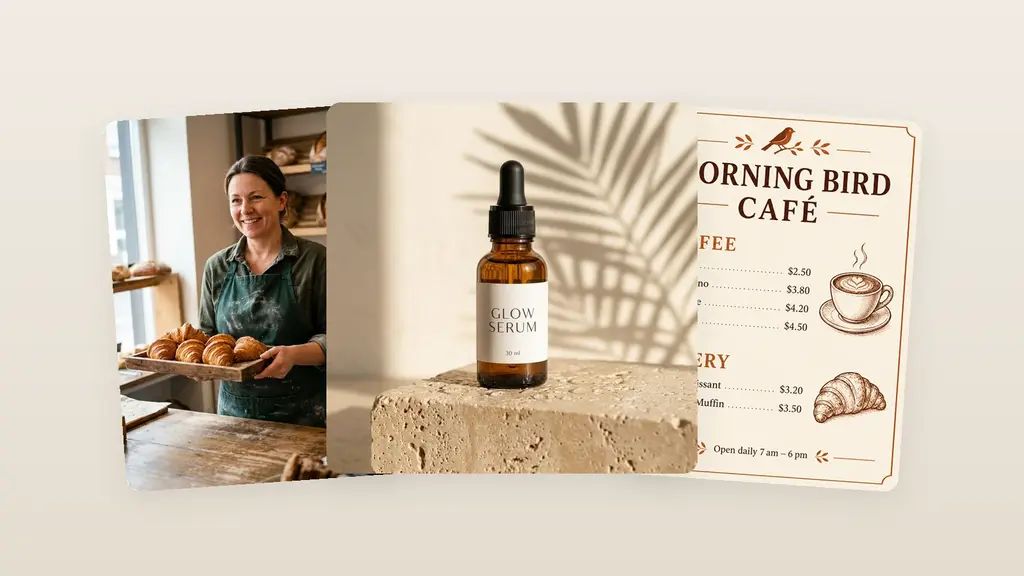
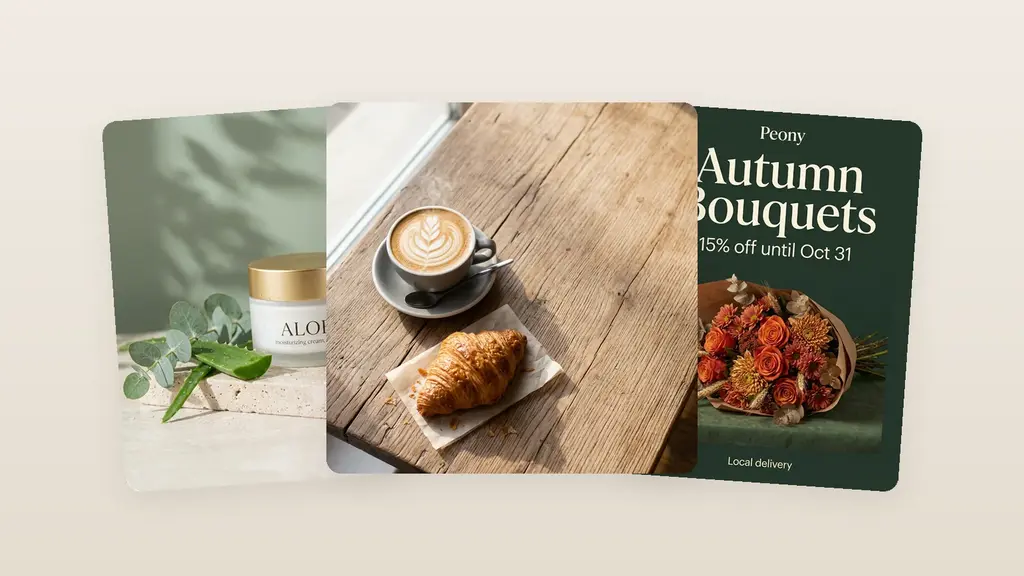
It is also worth preparing branded templates for posts, stories, and carousels in advance. For this, a social media post generator can help keep visuals consistent when you adapt influencer content for your own channels.
Content rights should be fixed immediately: where the business can publish the video, for how long, whether it can cut and adapt it. This is not about beauty, but about scaling speed.
Tracking and Measurement: Connecting a Post to Leads and Sales
Tracking in 2026 is not a “spreadsheet for the sake of a spreadsheet.” It saves money.
Minimum set:
- UTM tags on links;
- a separate landing page for the campaign;
- a promo code for each creator;
- publication date and time;
- attribution window, for example, 3–7 days depending on the niche.
Table: KPIs for Pilot and Scaling
| Stage | What to Measure | What to Ignore |
|---|---|---|
| Pilot, 3–5 creators | CPA, ROMI, landing page conversion, share of quality leads | Likes as the main success metric |
| Scaling | CPA stability, volume growth, repeat purchases, value of the UGC asset | One-time viral spikes |
Expert Tip: A strange pattern often appears: ER is high, content is lively, but there are few leads. The reason is usually not the creator, but the landing page. A weak landing page drains traffic faster than fake engagement. The check is simple: can a person answer “how much does it cost and how do I buy?” within 5–7 seconds?
Logo and Brand Packaging for Micro-Influencers
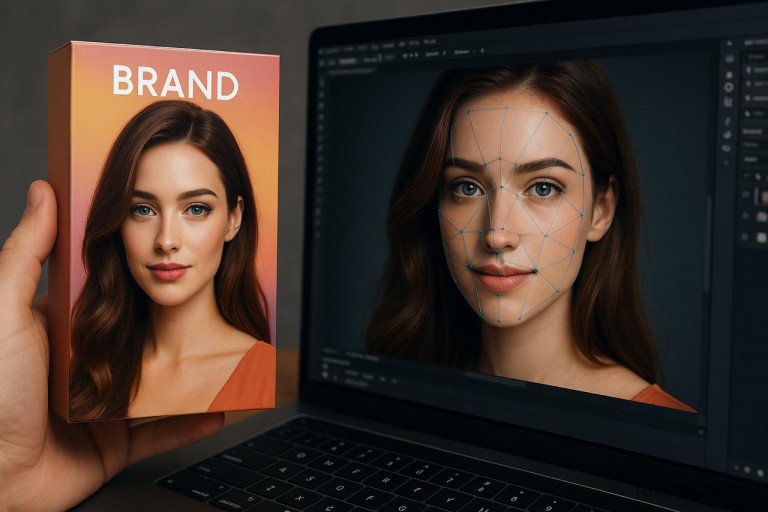
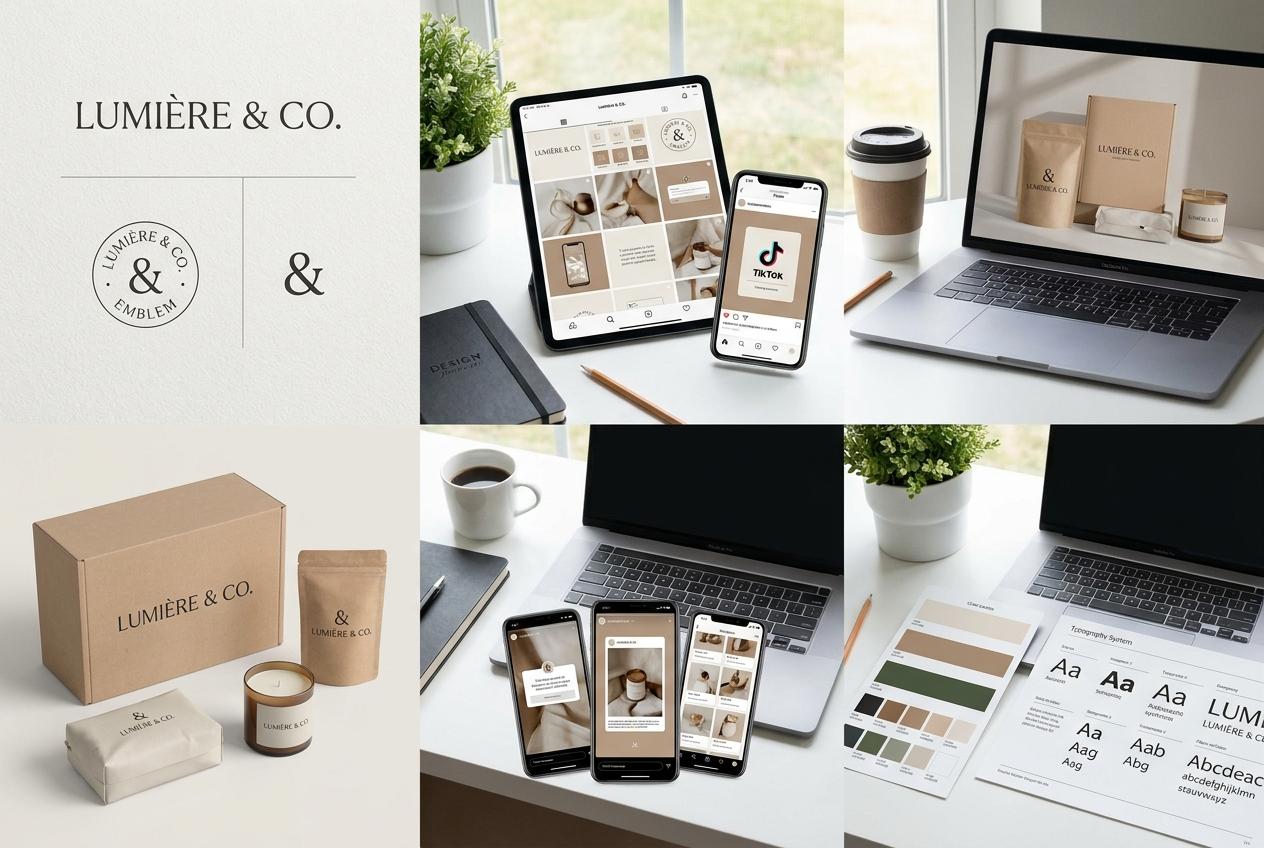
Micro-influencer marketing has a practical side effect: the brand starts appearing close-up — in videos, stories, packaging, and profile headers. If the logo is weak or looks thrown together, trust drops, even when the creator is good.
To quickly build a clean identity for a campaign launch, the Turbologo logo maker helps. It is useful not just “for a logo,” but for the whole set: symbol, font pair, colors, versions for avatars, covers, and watermarks. In influencer campaigns, this saves time: the creator receives ready-made assets and improvises less with the visual style.
For the same reason, brand consistency across profiles matters. Before launching integrations, it is useful to check the basics of social media branding and visual consistency, especially avatars, colors, covers, highlights, and branded post formats.
If the campaign requires many visuals at once — banners, story layouts, promo images, or AI photoshoots — you can also use an AI design generator for advertising creatives and AI photoshoots to prepare a full content package faster.
Common Small Business Mistakes and How to Avoid Them
The first mistake is buying “cheaper” while ignoring audience fit. A cheap integration with an irrelevant audience costs more than any quality placement.
The second mistake is having no offer and no landing page. When the video says “great product,” but the purchase path is unclear, sales do not appear.
The third mistake is not fixing the terms. Without a contract or at least written details in messages, it is easy to get a conflict over deadlines, format, or UGC rights.
The fourth mistake is making conclusions based on one creator. One post often gives a random result, and you cannot build a strategy on it.
Frequently Asked Questions
How many micro-influencers do you need for the first test?
Usually, 3–5 creators are enough. This gives a sample that helps you see patterns in CPA and lead quality.
What matters more when choosing a creator: followers or ER?
Neither metric works on its own. You need a combination: niche + audience + quality of response + ability to generate clicks.
Does barter work, or is it self-deception?
Barter works with nano and local creators when the product genuinely fits their audience and the brief does not leave room for “just mention it.”
How do you know where the funnel is broken: with the creator or on the website?
If there are views and reactions, but almost no clicks, the issue is likely in the content or CTA. If there are clicks but no leads, the issue is in the landing page, offer, or lead form.
If you need a quick reference for campaign structure and hypothesis testing, useful practical guides include ApexDrop’s “Micro Influencer Marketing Guide 2026,” Status’s “Micro-Influencer Marketing Guide,” and Influencer Marketing Hub’s “How to Calculate Influencer Costs.”
They have a lot in common, but the key idea is the same: micro-influencer marketing brings leads when a business turns it into a managed channel — with a brief, tracking, and honest economics.